
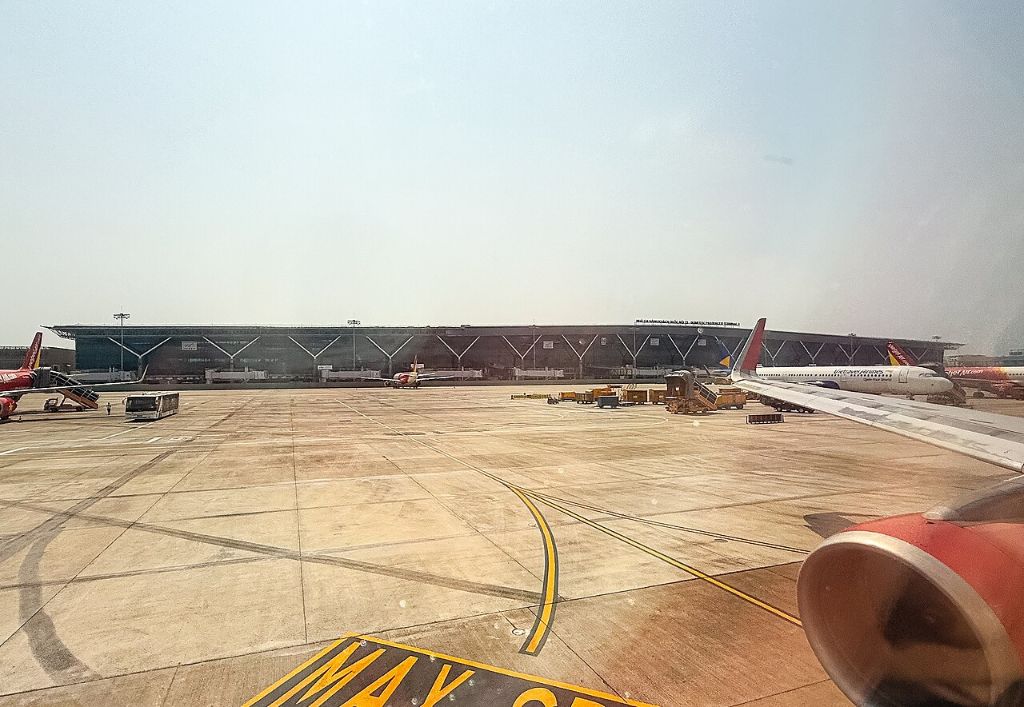
For most travelers, arriving in Vietnam customs and immigration is a short routine: show a passport with an e-visa or visa exemption, collect your bags, then walk the green channel unless you carry more than USD 5,000, VND 15 million, 300 g of gold jewelry or goods above the duty-free allowance. Leave vapes at home.
Written by the Mermaid Seaview Vung Tau team. Last updated November 18, 2026. Entry rules, fines and transport prices change often, so check the official sources listed at the end before you travel.
Key facts (as of November 2026)
- Vietnam’s e-visa is valid for up to 90 days and costs USD 25 for single entry or USD 50 for multiple entry on the official portal evisa.gov.vn.
- Citizens of 25 countries, including the UK, Germany, France, Japan and South Korea, can enter Vietnam visa-free for 45 days; your passport needs at least six months of validity.
- A free online pre-arrival declaration at prearrival.immigration.gov.vn can be completed within three days before landing; officials describe it as optional but strongly advised.
- Adults may bring 1.5 liters of spirits, 200 cigarettes and other goods worth up to VND 10 million duty-free under Decree 134/2016.
- Cash above USD 5,000 (or the equivalent in another currency) or above VND 15 million must be declared in the red channel, as must 300 g or more of gold jewelry.
- E-cigarettes and heated tobacco are banned in Vietnam; users face fines of VND 3 million to 5 million and the device is destroyed.
- Long Thanh International Airport is planned to open in December 2026, so check whether your ticket shows SGN or LTH.
Arriving in Vietnam customs and immigration: what happens step by step?
The arrival process at a Vietnamese airport has four stages: immigration, baggage claim, customs and the arrivals hall. It is the same order at Tan Son Nhat International Airport (Sân bay quốc tế Tân Sơn Nhất) in Ho Chi Minh City, Noi Bai International Airport (Sân bay quốc tế Nội Bài) in Hanoi and Da Nang International Airport (Sân bay quốc tế Đà Nẵng).
Here is what each stage involves, as of November 2026:
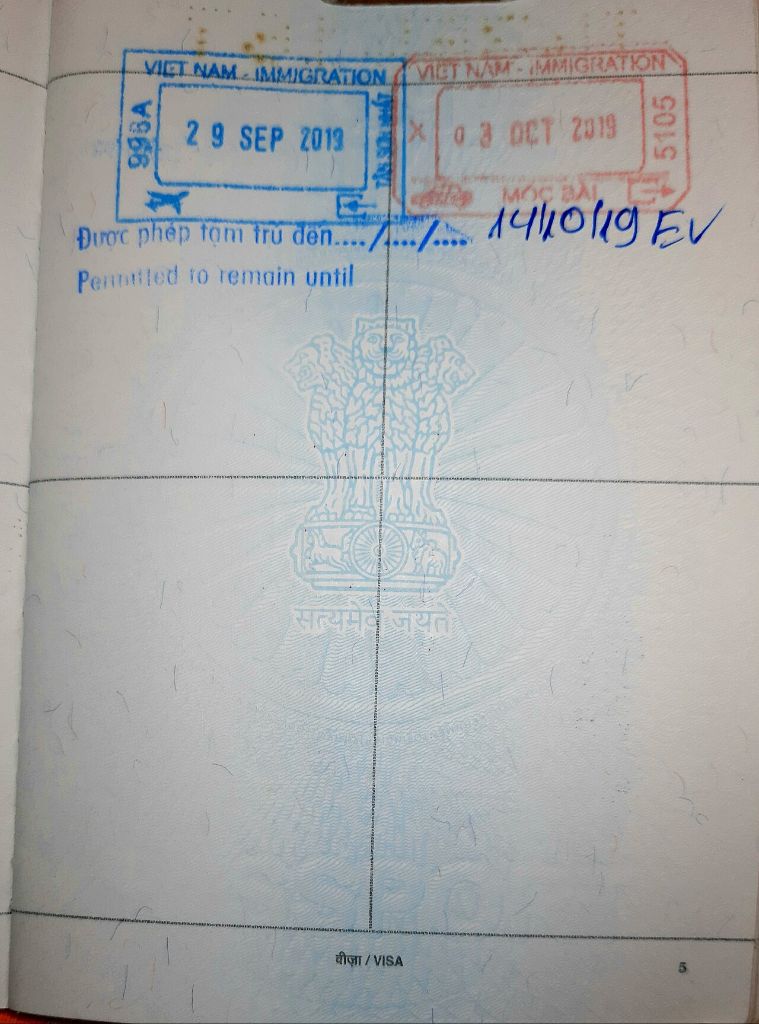
- Immigration. You queue at a staffed counter for foreign passports. The officer scans your passport, checks your e-visa or visa exemption and stamps you in. If you completed the online pre-arrival declaration, you show its QR code here.
- Baggage claim. Screens after immigration list the belt for your flight.
- Customs. You choose the green channel if you have nothing to declare, or the red channel if you carry cash, gold or goods above the limits explained below. Bags may be X-rayed in either channel.
- Arrivals hall. SIM card counters, currency exchange desks, ATMs, taxi ranks and the ride-hailing pickup zone are all after customs.
There is no paper arrival card to fill in on the plane, as of May 2026. Vietnam has replaced that step with an online form, which is covered in its own section below. No separate health declaration is required either, as of May 2026, although the online form does include a health section; check before you fly, because health rules can come back at short notice.
How long does immigration take at Tan Son Nhat, Noi Bai and Da Nang?
Plan on 15 to 45 minutes at immigration, depending on the airport and the hour. Travel sites reported the following typical waits at standard lanes, as of November 2026; these are estimates, not official figures.
- Tan Son Nhat (SGN), Ho Chi Minh City: up to about 45 minutes, with the longest lines between 2 pm and 6 pm.
- Noi Bai (HAN), Hanoi: around 15 to 30 minutes.
- Da Nang (DAD): around 10 to 20 minutes.
Vietnam has had automated passport gates at Tan Son Nhat, Noi Bai, Da Nang, Cam Ranh and Phu Quoc since August 2023. They were introduced for Vietnamese citizens with chip-based passports, and there is no official confirmation that foreign tourists can use them on arrival, so expect a staffed counter and a manual stamp. Have your passport open at the photo page, your e-visa printed or saved offline and your pre-arrival QR code ready. Those three items are what the officer looks at.
If you have a domestic connection after an international arrival at Tan Son Nhat, note that the airport’s Terminal 3 opened in 2025 and handles domestic flights only, as of October 2026; Vietnam Airlines uses it, while Vietjet has stayed at Terminal 1. Check the terminal for your onward flight in the airline app, and leave a generous margin for the afternoon immigration peak.
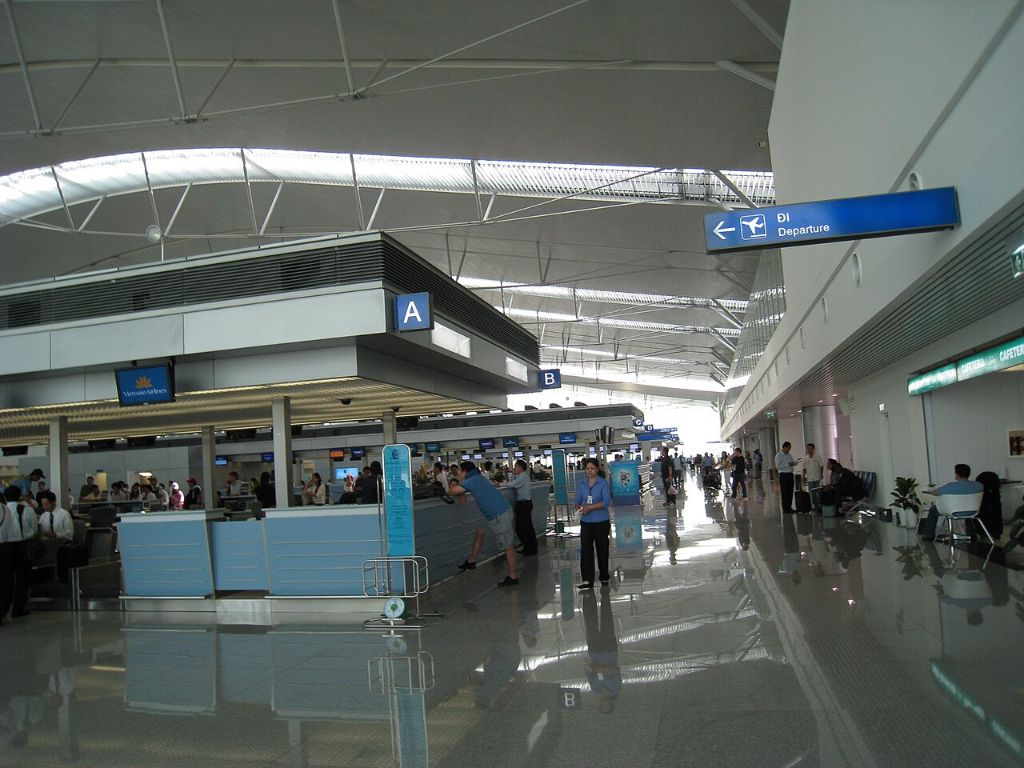
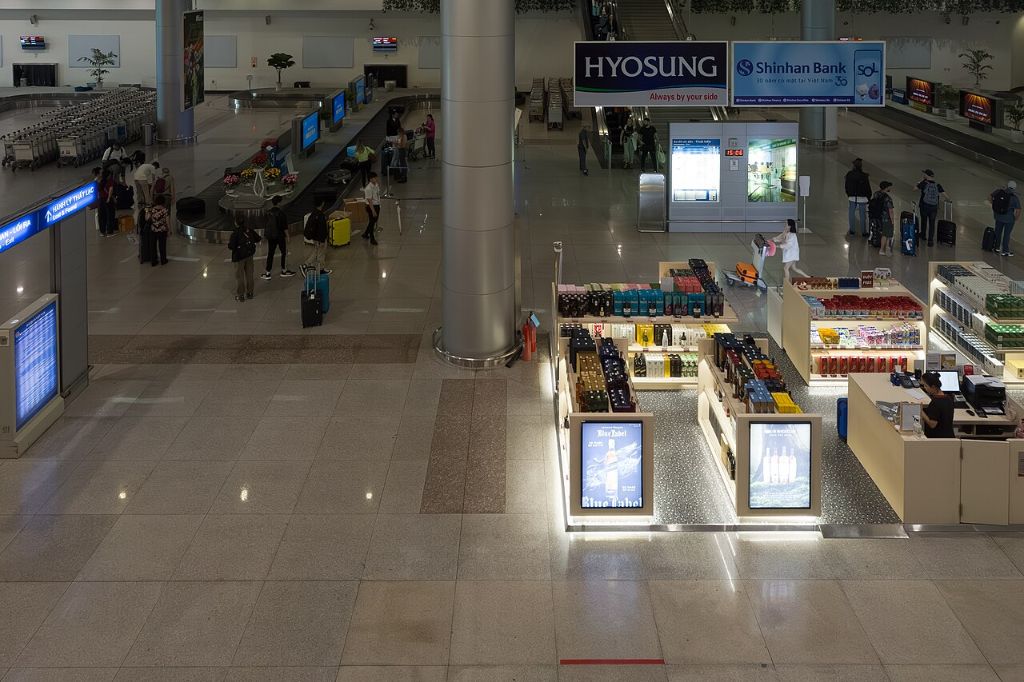
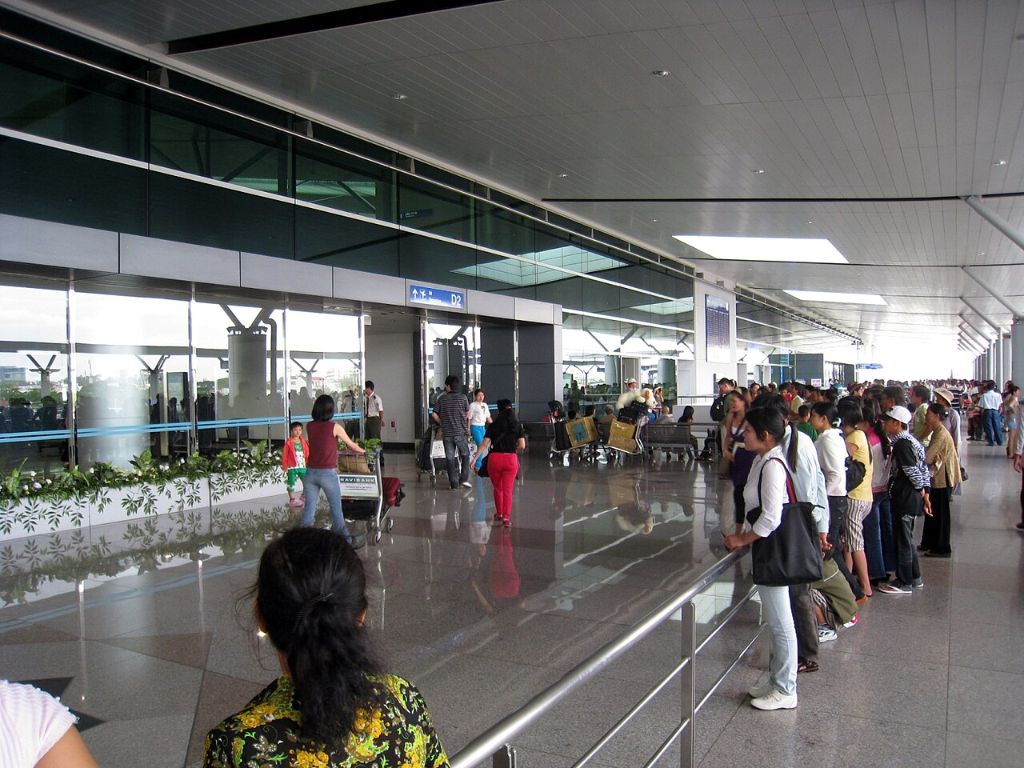
Photos: 1) Genghiskhanviet, public domain; 2) Matti Blume, CC BY-SA 4.0; 3) WiNG, CC BY 3.0; via Wikimedia Commons.
Do you need a visa or e-visa to enter Vietnam?
You need either an e-visa or a visa exemption to enter Vietnam, and which one depends on your passport. As of November 2026, the e-visa is open to all nationalities, while 25 countries get a 45-day visa-free stay and most Southeast Asian neighbors get shorter exemptions.
The e-visa
The e-visa is valid for up to 90 days and comes in two versions: single entry for USD 25 and multiple entry for USD 50, as of November 2026. Processing takes 3 to 5 working days according to Vietnam’s national tourism site. Apply only on the official portal, evisa.gov.vn. Many look-alike agency sites charge several times the state fee for the same document.
One detail catches people out: the e-visa names the port where you will enter. It is accepted at 83 checkpoints, made up of 17 international airports, 27 land border gates and 39 seaports, as of November 2026, and the port on your approval should match your actual route. If your flight changes from one city to another, check whether your e-visa needs to be reissued.
The 45-day visa exemption
Vietnam grants a unilateral 45-day visa-free stay to citizens of 25 countries, as of November 2026. They fall into two groups with different expiry dates:
- Valid until March 14, 2028: Germany, France, Italy, Spain, the United Kingdom, Russia, Japan, South Korea, Denmark, Sweden, Norway, Finland and Belarus.
- Valid from August 15, 2025 to August 14, 2028: Belgium, Bulgaria, Croatia, the Czech Republic, Hungary, Luxembourg, the Netherlands, Poland, Romania, Slovakia, Slovenia and Switzerland.
Travelers from the United States, Canada, Australia, New Zealand and India are not on that list, so they need an e-visa before boarding. For everyone, the passport must be valid for at least six months from the date of entry and have two blank pages. Travelers using the 45-day exemption may also be asked to show a return or onward ticket, so keep the booking confirmation on your phone.
ASEAN and other exemptions
Citizens of Cambodia, Laos, Malaysia, Singapore and Thailand can stay 30 days without a visa, Filipinos 21 days and Bruneians 14 days, as of November 2026. Published figures for Indonesia and Myanmar conflict between sources (14 or 30 days), so travelers with those passports should confirm with a Vietnamese embassy before flying. Chile and Panama have a 90-day exemption. Separately, anyone arriving directly on Phu Quoc Island (Phú Quốc) can stay there visa-free for 30 days, but continuing to the mainland requires a visa or e-visa.
Do you need to fill in an arrival card or pre-arrival declaration?
There is no paper arrival card, but Vietnam now has an online pre-arrival declaration that foreign visitors are strongly advised to complete. It is free, takes a few minutes and produces a QR code that you show to the immigration officer.
The system, called Pre-Arrival Information, started at Tan Son Nhat on April 15, 2026. By June 2026 it also covered Phu Quoc, Noi Bai, Da Nang and Cam Ranh (the airport for Nha Trang). You can submit the form within three days before you arrive, and it asks for passport details, a photo, your flight and your accommodation address.
Is it compulsory? The wording differs depending on who you ask. Vietnam’s Ministry of Public Security has described the declaration as optional rather than mandatory, Singapore’s embassy in Hanoi says visitors are strongly advised to complete it, and some news reports call it required at Tan Son Nhat. The practical answer is the same in every case: do it before you fly. Travelers who skip it can still complete it on arrival using QR codes posted in the terminal, but authorities warn that this means a longer wait at the counter.
Use only the official address, prearrival.immigration.gov.vn. The ministry has warned about fake websites that imitate the form and ask for card details. The real form never asks for payment.
Local tip: Take a screenshot of the QR code as soon as the form is accepted. Airport Wi-Fi and roaming are least reliable in the immigration hall, which is exactly where you need to show it. Copy the flight number and booking reference from your ticket rather than typing them from memory, because a typo can get the form rejected.
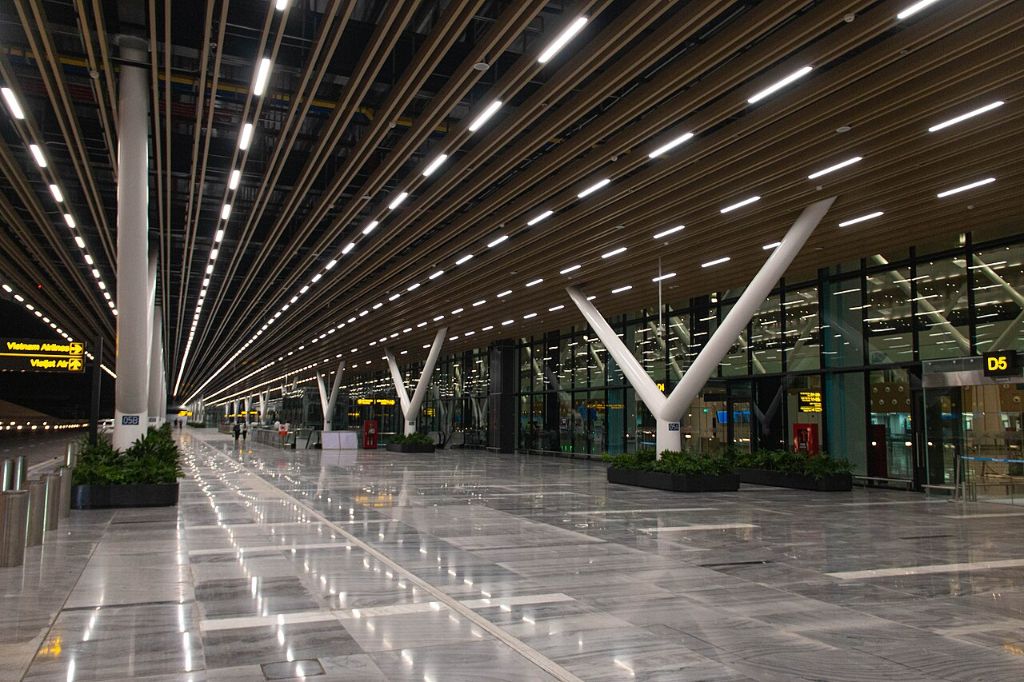
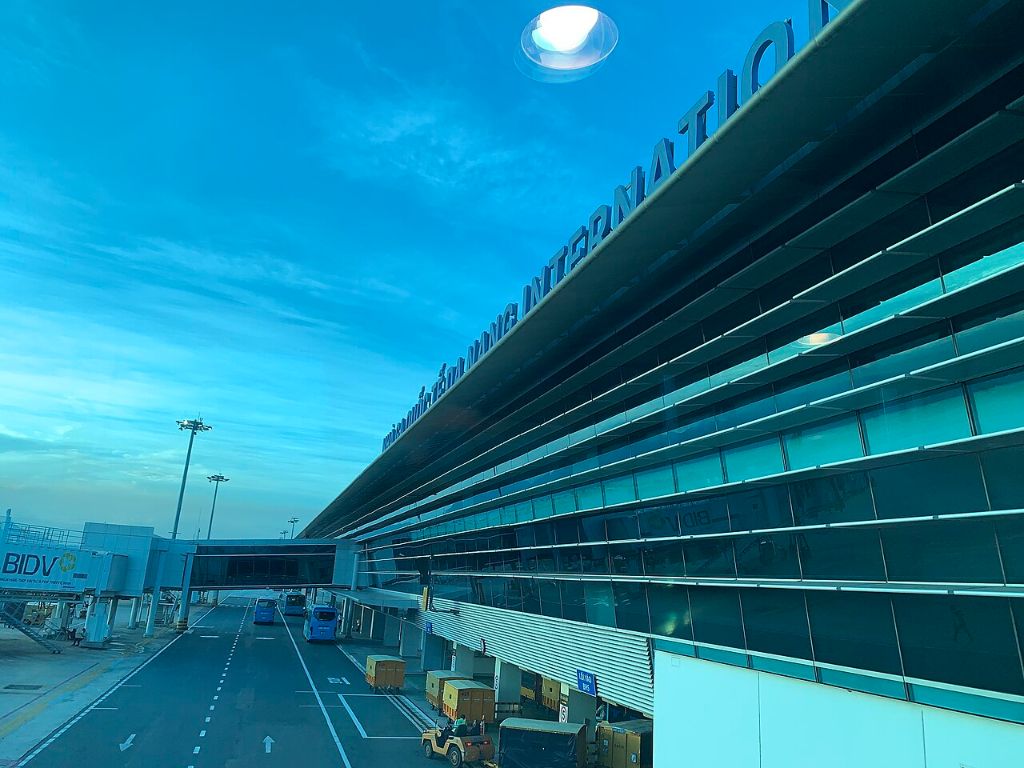
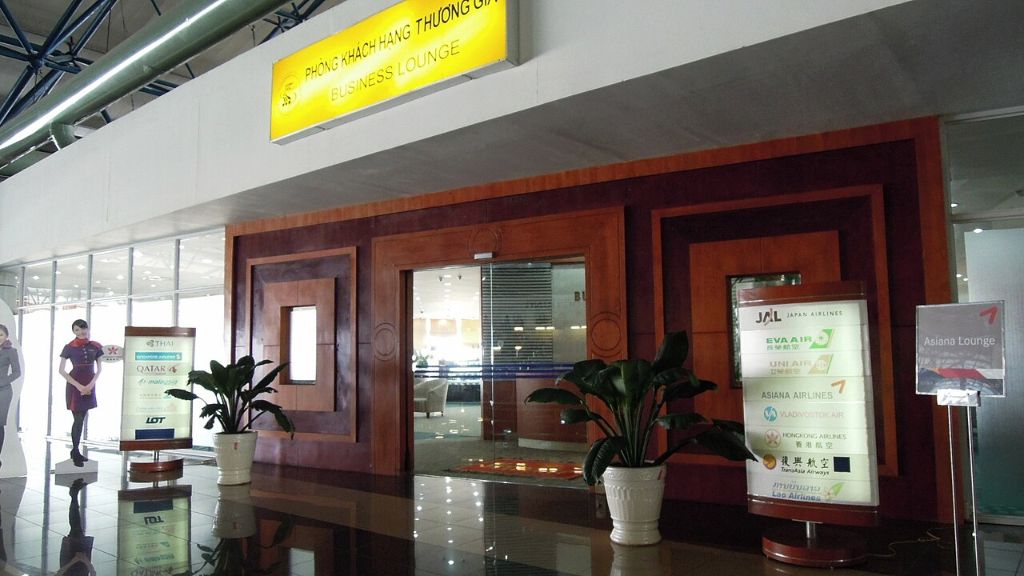
Photos: 1) Rajadas330, CC BY-SA 4.0; 2) MinhVN123, CC BY-SA 4.0; 3) Chainwit., CC BY 4.0; 4) David McKelvey from Brisbane, Australia, CC BY 2.0; via Wikimedia Commons.
Is Long Thanh airport open, and which Saigon airport will you land at?
Long Thanh International Airport (Sân bay quốc tế Long Thành) was not yet open to commercial flights as of mid-November 2026, and it is planned to open in December 2026. Until your ticket shows the code LTH, you will land at Tan Son Nhat (SGN).
The exact opening date has moved. The transition plan published by Vietnam’s aviation authorities set December 1, 2026 as the start of commercial operations, while a report on November 1, 2026 said the airport operator had announced December 24, 2026, with up to 366 flights a week at launch, most of them domestic. Treat both dates as provisional.
Flights are meant to move in three stages, as of the published plan:
- Until March 27, 2027: airlines may choose to run international flights from Long Thanh but are not required to.
- March 28 to October 29, 2027: all long-haul international flights move to Long Thanh.
- From October 30, 2027: nearly all remaining international flights move as well.
Why does this matter for arrival day? Long Thanh is about 40 km east of central Ho Chi Minh City, in Dong Nai Province (Đồng Nai), and can be reached only by road for now. No official taxi fares or ride times had been published as of October 2026. A transfer between the two airports will take real time, so avoid itineraries that land at one and depart from the other on a tight connection. The new airport is on the official list of e-visa entry points once it is operational, but the port named on your e-visa still needs to match where you land.
Arriving in Vietnam customs allowances: what can you bring duty-free?
Each adult arriving in Vietnam can bring a set amount of alcohol and tobacco plus other goods worth up to VND 10 million without paying duty. The limits come from Article 6 of Government Decree 134/2016, which the 2026 decree on duty-free shops still refers to, as of July 2026.
| Item | Duty-free allowance per adult (as of November 2026) |
|---|---|
| Spirits, 20% alcohol or stronger | 1.5 liters |
| Wine and drinks below 20% alcohol | 2 liters |
| Beer and other alcoholic drinks | 3 liters |
| Cigarettes | 200 sticks |
| Cigars | 20 sticks |
| Loose tobacco | 250 g |
| Other goods (gifts, new purchases) | Total value up to VND 10 million |
Within each category the options are alternatives, not a combined entitlement. For alcohol you choose one of the three lines: 1.5 liters of spirits, or 2 liters of wine, or 3 liters of beer. The same applies to tobacco: 200 cigarettes, or 20 cigars, or 250 g of loose tobacco.
Clothing, toiletries and personal electronics that you are using on your trip are your own luggage and are not counted against the VND 10 million figure, which is aimed at new goods and gifts. Anything above an allowance should be declared in the red channel, where duty is assessed on the excess.
You may still find older articles quoting 100 cigars, 500 g of tobacco or a 22% alcohol threshold. Those numbers come from a 2015 rule that Decree 134/2016 replaced. Check the customs notice at your arrival airport if you are close to a limit.
Landing in Saigon and heading straight for the sea? Mermaid Seaview offers sea-view apartments a short walk from Back Beach (Bãi Sau) in Vung Tau, about two hours from Tan Son Nhat by road in normal traffic. Message us with your flight time and we will help you plan the transfer and your stay.
What do you have to declare at Vietnam customs?
You must declare cash above USD 5,000 or VND 15 million, gold jewelry of 300 g or more, and any goods above the duty-free allowance. Everything else in a normal suitcase goes through the green channel.
| What you carry | Declare when (as of 2026) | Notes |
|---|---|---|
| Foreign currency in cash | More than USD 5,000 or the equivalent in other currencies | As of September 2026; counts all foreign cash together |
| Vietnamese dong in cash | More than VND 15 million | As of September 2026 |
| Cash you plan to deposit in a foreign-currency bank account in Vietnam | Any amount, even below USD 5,000 | The stamped declaration is your proof of origin |
| Gold jewelry and gold handicrafts | 300 g or more in total | As of April 2026; proof of origin may be requested |
| Alcohol, tobacco, new goods and gifts | Anything above the duty-free allowance | Duty is charged on the excess |
Green channel or red channel?
The green channel is for travelers with nothing to declare, and the red channel is for everyone who meets one of the conditions in the table. In the red channel you fill in a customs declaration, and an officer checks and stamps it. Keep that stamped form with your passport for the whole trip: it is the document that lets you carry the same money out again without questions.
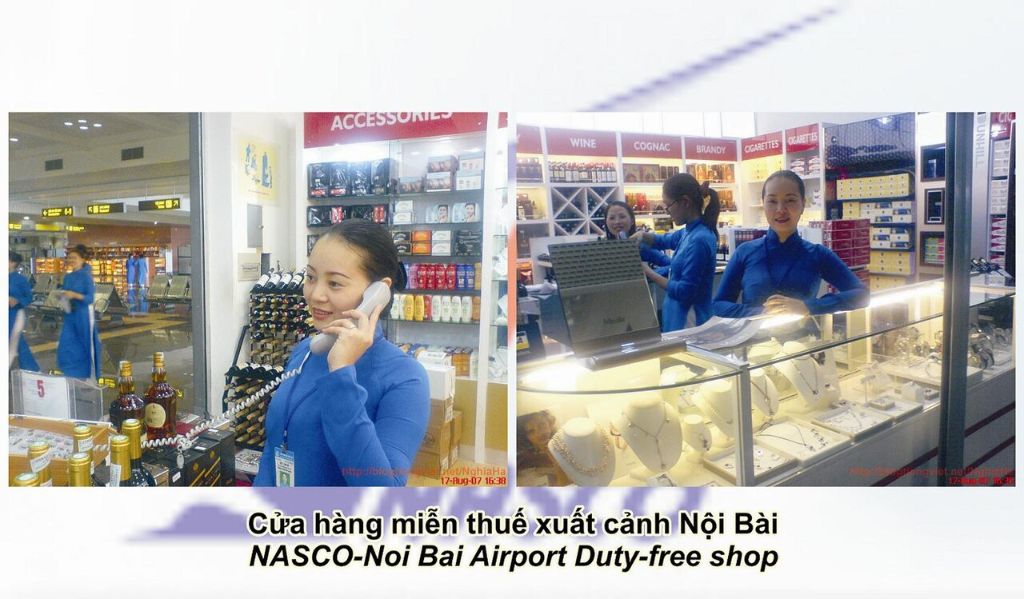
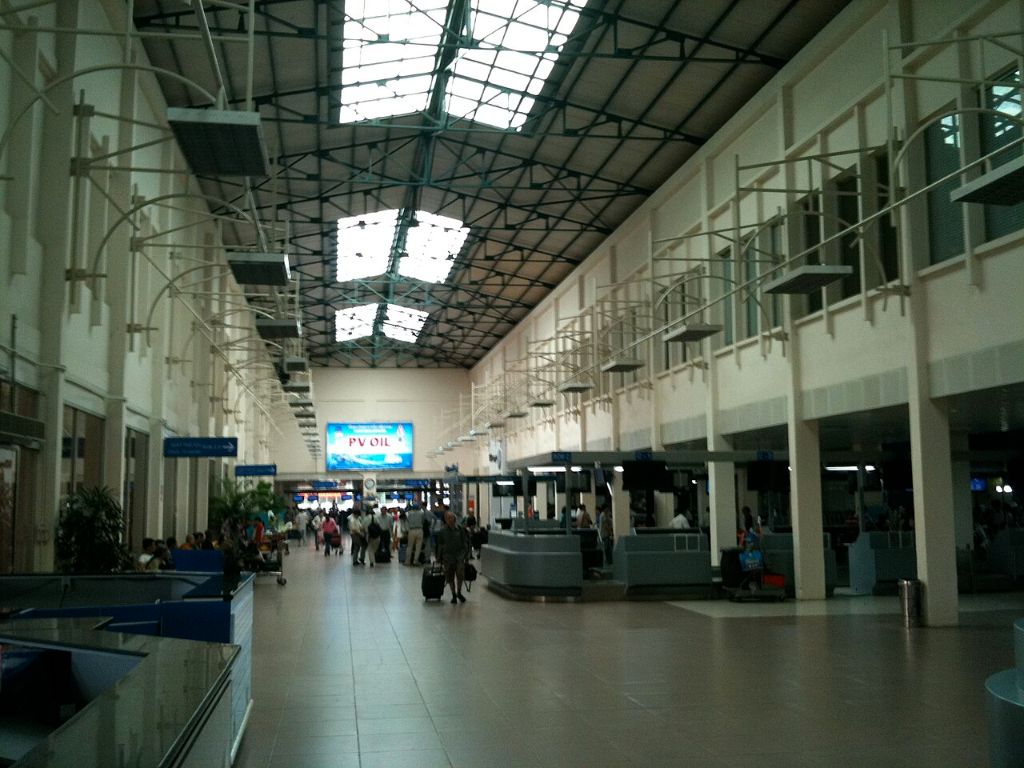
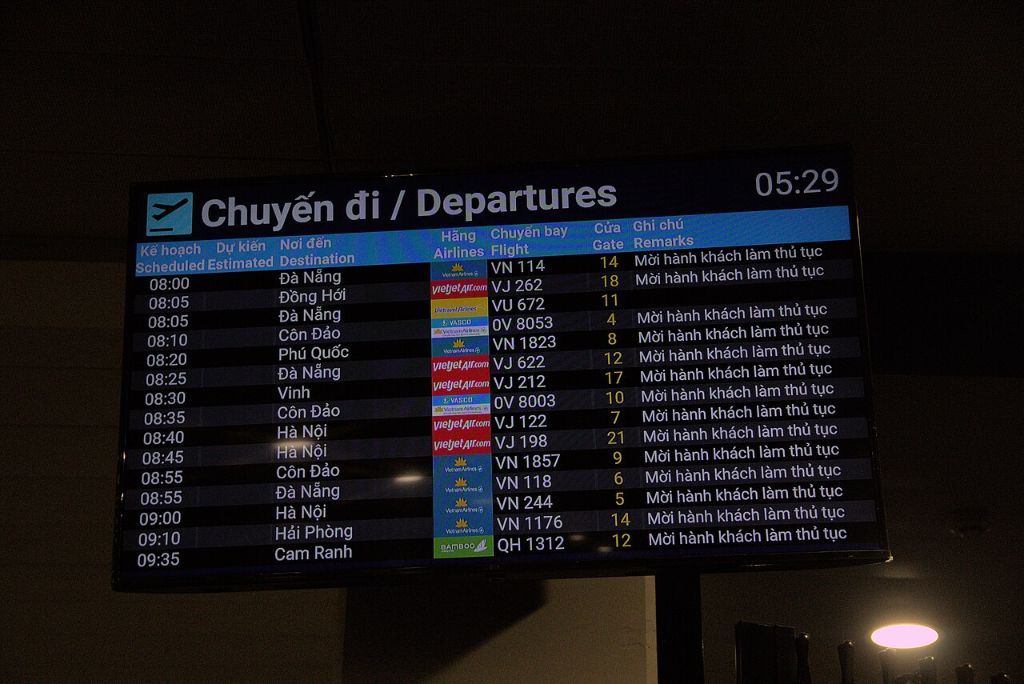
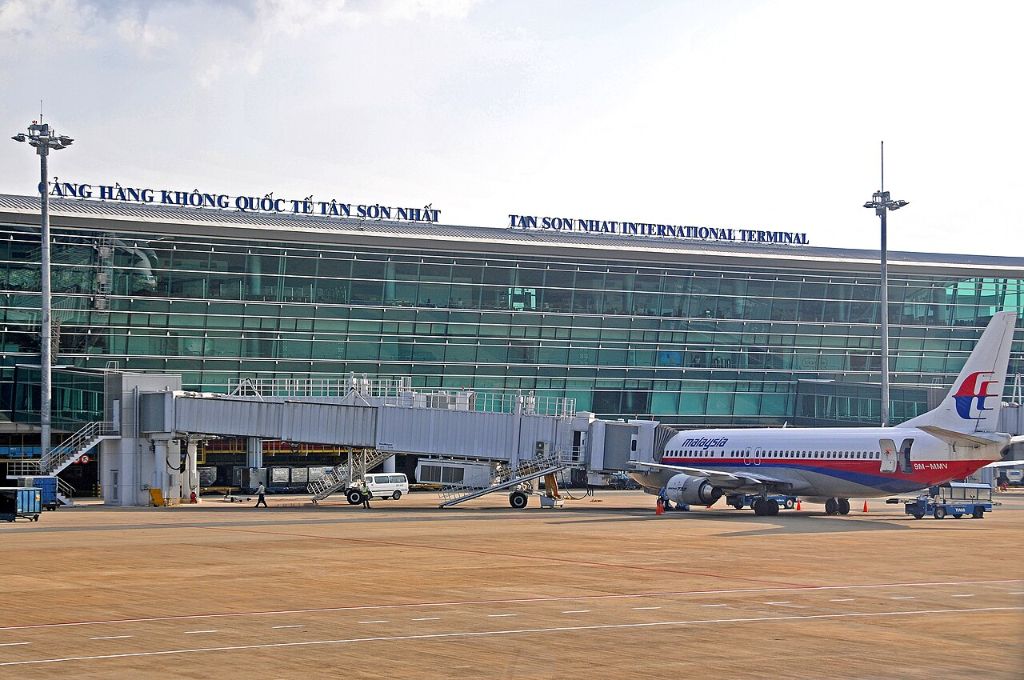
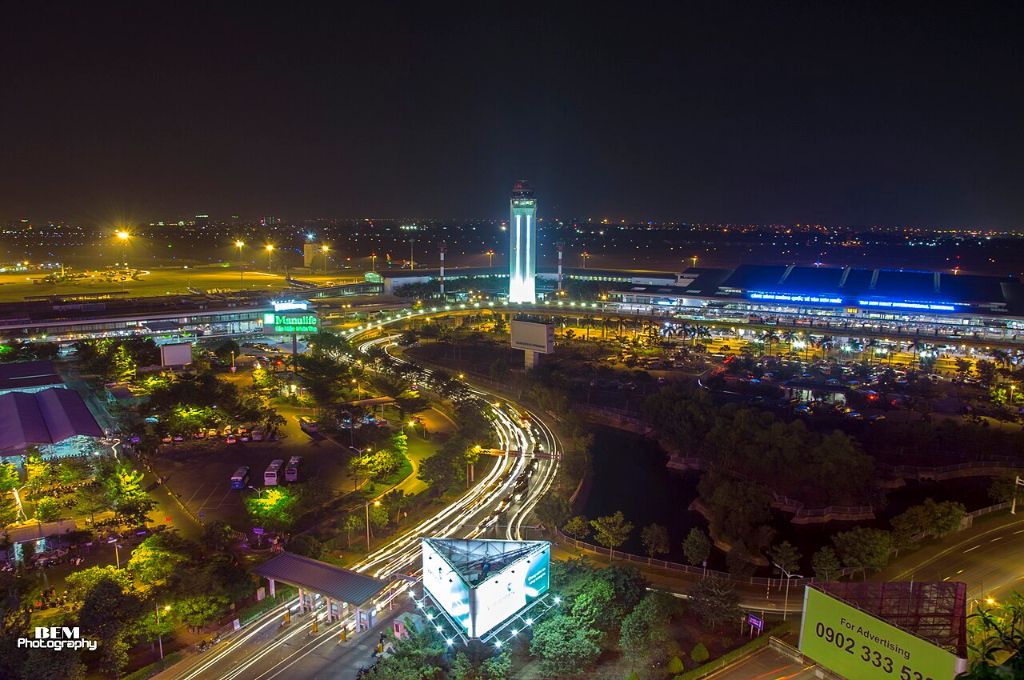
Photos: 1) Newone, CC BY-SA 3.0; 2) Dragfyre, CC BY-SA 3.0; 3) MinhVN123, CC0; 4) Dennis G. Jarvis, CC BY-SA 2.0; 5) Bem photography, CC BY 2.0; via Wikimedia Commons.
What are the fines for undeclared cash?
Fines for bringing undeclared cash into Vietnam range from VND 1 million to VND 20 million, depending on the amount. The table shows the brackets reported for entry under Decree 169/2026, in force since July 1, 2026, as of September 2026.
| Undeclared amount on entry | Administrative fine (as of September 2026) |
|---|---|
| VND 5 million to under VND 50 million | VND 1 million to 2 million |
| VND 50 million to under VND 100 million | VND 5 million to 10 million |
| VND 100 million or more | VND 10 million to 20 million |
| Declaring more than you actually carry | VND 2 million to 25 million, by amount overstated |
The brackets measure the undeclared part above the threshold, not your total cash. Penalties on the way out have been higher: under the earlier Decree 128/2020, leaving with VND 100 million or more undeclared carried a fine of VND 30 million to 50 million, and it is not clear whether the 2026 decree changed the exit brackets, so check before you fly.
Above VND 100 million, the matter can stop being an administrative fine. Illegally moving currency across the border in that amount or more can be prosecuted under Article 189 of the Criminal Code, with fines from VND 20 million up to VND 3 billion or prison terms of up to 10 years for the largest sums, as of September 2026. Vietnamese media reported such a case at a northern land border in 2026. For a traveler, the conclusion is simple: over the limit means red channel, every time.
Which items are banned or restricted: vapes, drones and medicines?
E-cigarettes and heated tobacco products are banned outright, drones need a permit to fly, and medicines are fine in personal quantities with paperwork. Beyond those, Vietnam prohibits the same categories that most countries do.
Vapes and heated tobacco
Vietnam’s National Assembly banned the production, trade, import, transport and use of e-cigarettes and heated tobacco products from January 1, 2025. A government decree in force since December 31, 2025 set the penalties: a fine of VND 3 million to 5 million for anyone caught using one, with the device surrendered for destruction, and VND 5 million to 10 million for a person who allows vaping on premises they manage, as of January 2026.
The ban covers import, so a vape in your luggage is not a duty-free question at all. Travel sites report that devices are taken at airport screening, and no separate border fine has been officially published. The safe choice is to leave devices, pods and heated tobacco sticks at home. Ordinary cigarettes within the allowance above remain legal.
Drones
Flying a drone in Vietnam requires prior approval from the Ministry of National Defence, and drones brought in without it risk being held at customs, according to travel-rule aggregators as of July 2026. The regulations in this area have been changing, so if aerial footage matters to your trip, start the permit process well in advance through a licensed local operator and check the current rule before you pack the drone.
Medicines
Prescription medicine for your own use is normally not a problem if it is clearly personal. Keep it in the original packaging, carry a copy of the prescription or a doctor’s letter in English that names the medicine and the dose, and bring only what you need for the trip. Strong painkillers, sedatives, sleeping pills and ADHD medication deserve extra care, because many countries, Vietnam included, control those substances more tightly. If you rely on one of them, ask a Vietnamese embassy before you travel.
The standard prohibited list
As a general rule, do not bring narcotics, firearms, ammunition, explosives, fireworks, pornography or printed and digital material that could be read as hostile to the Vietnamese state. Vietnam’s drug laws are among the strictest in the region. If you are unsure about a specific item, ask a Vietnamese embassy before you pack it; nothing in this category belongs in a vacation suitcase anyway.
Local tip: If you are unsure whether something needs declaring, use the red channel and ask. Declaring an item that turns out to be fine costs a few minutes. Walking it through the green channel and being wrong is what creates a fine.
How do you get from Tan Son Nhat to District 1, and what should you sort out first?
A ride-hailing car from Tan Son Nhat to District 1 (Quận 1) costs roughly VND 150,000 to 250,000 and takes 20 to 25 minutes off-peak, as of October 2026. The airport is only 7 to 8 km from the center, so the trip is short in distance even when traffic makes it slow.
| Option | Price to District 1 (as of October 2026) | Good to know |
|---|---|---|
| Grab or Xanh SM (app) | VND 150,000–250,000 | Price fixed in the app; 20–30% more late at night or in rain |
| Metered taxi (Vinasun, Mai Linh) | VND 170,000–280,000 | Includes the VND 10,000–15,000 airport gate fee |
| Prepaid taxi counter | VND 250,000–400,000 | Fixed price paid at the desk, no meter |
| Bus 109 | VND 15,000–20,000 | Cash to the conductor; about every 20–30 minutes from around 5:30 am; to Pham Ngu Lao and Ben Thanh |
| Bus 152 | VND 6,000–10,000 plus a luggage fee | Runs roughly 5 am to 6 pm only |
In rush hour or heavy rain the same ride can take 45 minutes to an hour. Bus 109 ends near Pham Ngu Lao Street (Phạm Ngũ Lão) and Ben Thanh Market (Chợ Bến Thành); published times for its last departure conflict, so late arrivals should plan on a car. If you land at Terminal 3 on a domestic leg, it has its own ride-hailing pickup zone, separate from the taxi rank.
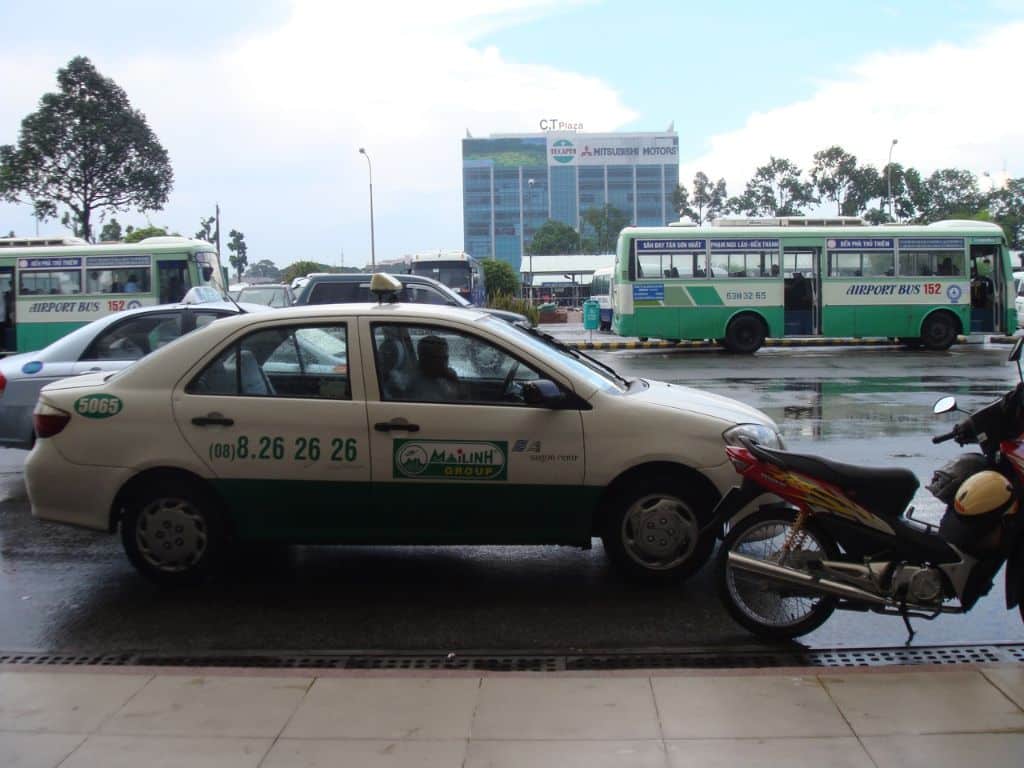
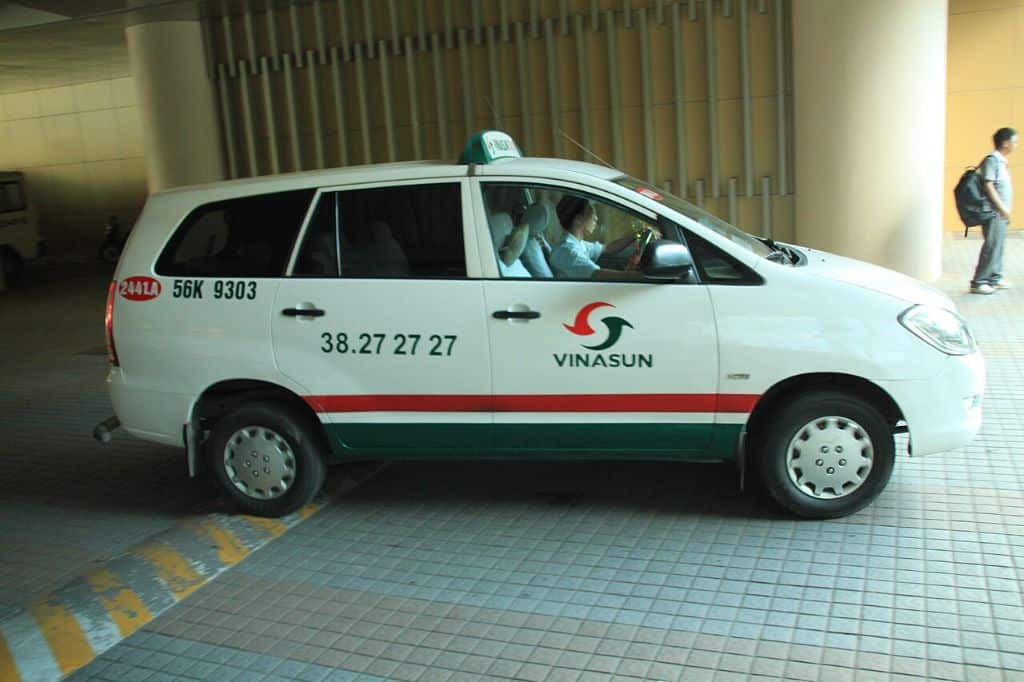
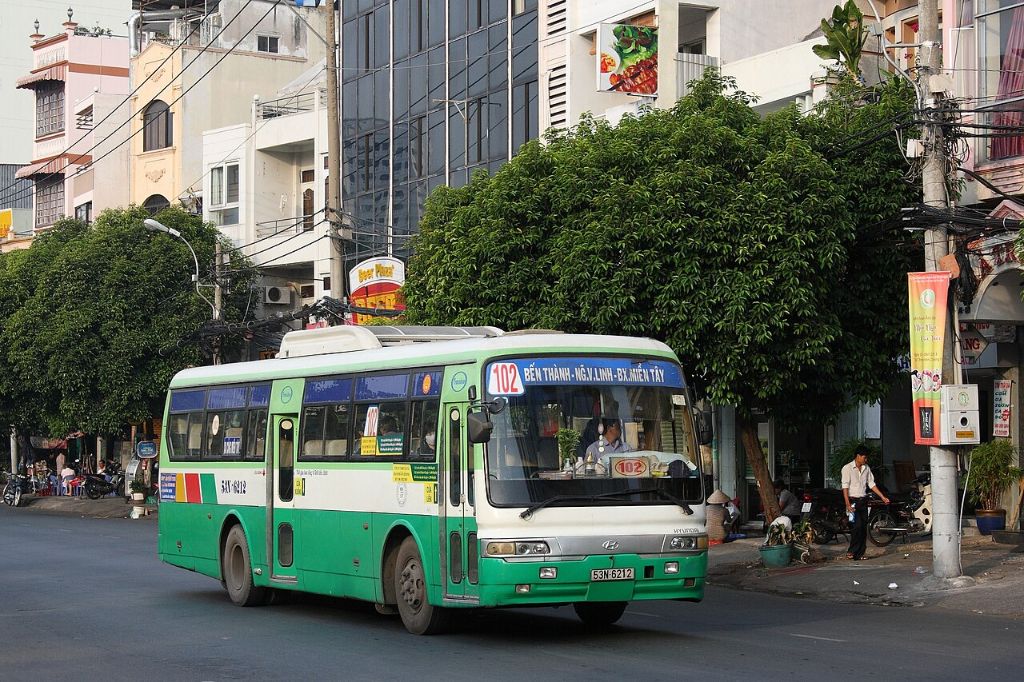
Photos: 1) midorisyu, CC BY 2.0; 2) Ovidius1313 (Wikivoyage), public domain; 3) Ilya Plekhanov, CC BY-SA 3.0; via Wikimedia Commons.
SIM or eSIM
A 30-day tourist SIM with data costs about VND 200,000 to 350,000 at the airport counters, and the same package is reported to be 30 to 40% cheaper at shops in the city, as of November 2026. The simplest approach is to activate an eSIM before you take off, so that ride-hailing apps work the moment you walk out of customs. Our guide to the best apps for traveling in Vietnam covers eSIMs, Grab and the other apps worth installing before the flight.
Cash and exchange
Airport exchange counters give rates around 2 to 5% worse than banks and gold shops in the city, as of November 2026. Change only what you need for the first ride and a meal, then exchange the rest downtown. ATMs are a fair alternative; local machines typically charge VND 20,000 to 40,000 per withdrawal, so one larger withdrawal beats several small ones. Ask for some small notes, because bus conductors and street vendors rarely have change for a VND 500,000 bill.
Long layover instead of a stay?
If you are only passing through with several hours between flights, remember that leaving the terminal means clearing immigration, so the visa rules above apply to you too. For ideas on how to use the time, this guide to layover tours in Saigon is a practical starting point. Travelers with more days can combine the city with the coast; our Saigon and beach itinerary shows one way to split the time.
Useful Vietnamese: Hộ chiếu = passport. Nhập cảnh = immigration (entry). Hải quan = customs. Khai báo = to declare. Không có gì để khai báo = nothing to declare. Đổi tiền = money exchange. Cho tôi đi Quận 1 = please take me to District 1. Cảm ơn = thank you.
What should you have ready before landing?
Have five things ready before the plane lands: your passport, your visa status, the pre-arrival QR code, an honest count of your cash and a plan for the first ride. Running through this list on the flight takes a few minutes.
- Passport: valid for at least six months from arrival, with two blank pages.
- E-visa or exemption: e-visa saved offline and printed, with the entry port matching your flight; or, for the 45-day exemption, your onward or return ticket.
- Pre-arrival declaration: submitted on prearrival.immigration.gov.vn within the three days before arrival, with a screenshot of the QR code.
- Accommodation address: the name, street address and phone number of your first night’s stay, which the online form asks for.
- Cash count: total foreign cash under USD 5,000 and dong under VND 15 million, or a decision to use the red channel.
- Duty-free check: alcohol and tobacco within the allowance; receipts for expensive new items and gifts.
- Medicines: original packaging and a copy of the prescription.
- Nothing banned: no vape, no heated tobacco, no drone without a permit.
- Connectivity and transport: eSIM activated, ride-hailing app installed with a payment card, and some small dong notes or a plan to use the ATM.
- Airport code: SGN or LTH confirmed on your ticket for both arrival and departure.
Leaving Vietnam: VAT refunds, cash and antiques
Departure is simpler than arrival, with three things worth planning: the tourist VAT refund, the cash you carry out and anything old that you bought. The same declaration thresholds of USD 5,000 and VND 15 million apply when you leave, as of September 2026.
VAT refund for tourists
Foreign visitors can claim back value-added tax on goods bought in Vietnam under rules updated in mid-2026. The conditions, as of July 2026:
- At least VND 2 million spent at one store in one day; invoices from the same store on the same day can be combined.
- The purchase must come from a shop registered for the refund scheme, which issues a combined invoice and refund declaration.
- The invoice must be issued no more than 60 days before you depart.
- Goods must be unused and in their original packaging.
- You present the goods and invoice to customs at least 30 minutes before departure, then collect the money at a bank counter in the restricted area of the international airport.
- The bank keeps a 15% service fee, so you receive 85% of the VAT paid.
Show the goods to customs before you check in bags that contain them. No current official list of participating airports has been published, so ask the shop which airports handle refunds before you rely on it.
Cash and antiques
If you declared cash on arrival, bring the stamped form when you leave; it explains why you are carrying the money. If you are leaving with more than the threshold and did not declare on entry, speak to your bank in Vietnam about the paperwork before you go to the airport, because the exit fines are steeper than the entry fines.
Be careful with antiques. Vietnam restricts the export of genuine antiquities and cultural relics, and the standard advice is that such items need a permit from the cultural authorities. For reproductions and handicrafts that only look old, keep the shop receipt and ask the seller for a note stating that the piece is a reproduction. Permit procedures change, so check before buying anything expensive.
Local tip: Spend or exchange your leftover dong before you pass security on the way out. The currency is hard to exchange abroad, and amounts above VND 15 million would need declaring anyway.


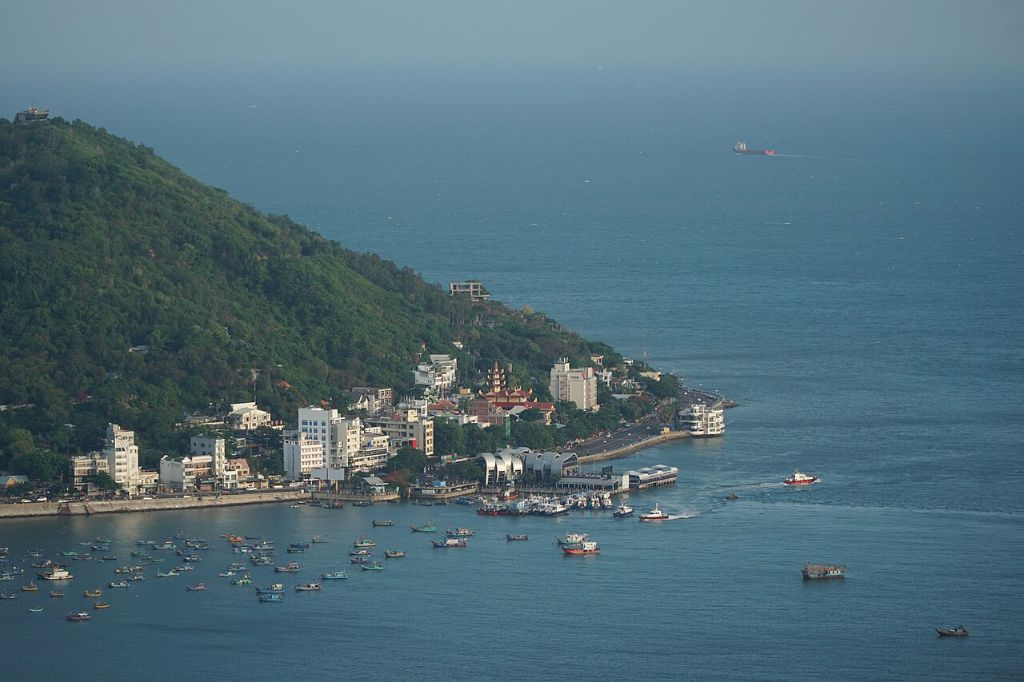
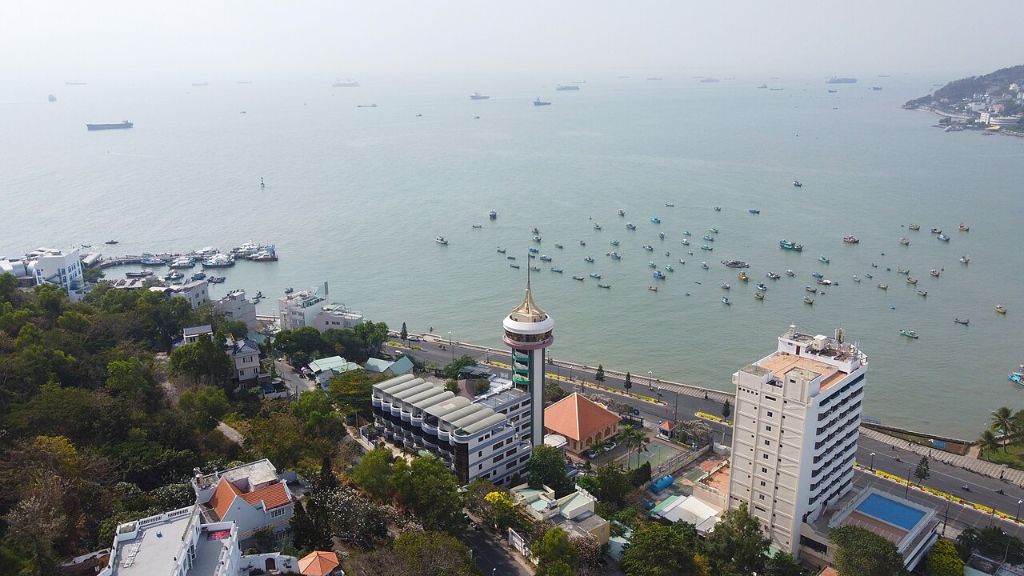
Photos: 1) Willyvu, CC BY-SA 4.0; 2) Willyvu, CC BY-SA 4.0; 3) NDTK08, CC BY 4.0; 4) Tuong Lam Photos, CC BY-SA 4.0; via Wikimedia Commons.
Where can you go after landing in Saigon?
You can be on a beach the same day you land. Vung Tau is the closest sea to Tan Son Nhat, about two hours away by road and expressway in normal traffic, and there is also a fast boat from the city center for travelers who prefer the river route.
That makes two easy patterns for a first trip. Some visitors spend a few days in District 1 first and finish by the sea; others go straight to the coast to sleep off the jet lag and visit the city at the end, close to their departing flight. Either way, the arrival formalities are the same, and with the checklist above they should be the shortest part of the day.
Want a sea view waiting after immigration and customs? Mermaid Seaview has sea-view apartments a short walk from Back Beach (Bãi Sau), Vung Tau. Send us your arrival details and we will suggest the easiest way to reach us from the airport and help you plan the days by the water.
Frequently Asked Questions
Do I need to fill in an arrival card for Vietnam?
No, there is no paper arrival card for Vietnam as of 2026. Instead, foreign visitors are strongly advised to complete the free online pre-arrival declaration at prearrival.immigration.gov.vn within three days before landing. It produces a QR code to show at immigration. Travelers who skip it can do it at the airport, but should expect a longer wait.
How much cash can I bring into Vietnam without declaring it?
You can bring up to USD 5,000 in foreign currency, or the equivalent, and up to VND 15 million in Vietnamese dong without declaring, as of September 2026. Anything above either figure must be declared in the red channel. You should also declare smaller amounts if you plan to deposit the cash into a foreign-currency bank account in Vietnam.
What is the duty-free alcohol allowance for Vietnam?
Each adult can bring 1.5 liters of spirits at 20% alcohol or stronger, or 2 liters of drinks below 20%, or 3 liters of beer, as of November 2026. These are alternatives, not a combined total. The limits come from Decree 134/2016. Anything above the allowance should be declared, and duty is charged on the excess.
How many cigarettes can I bring into Vietnam?
You can bring 200 cigarettes, or 20 cigars, or 250 g of loose tobacco duty-free per adult, as of November 2026. Older websites that mention 100 cigars or 500 g of tobacco are quoting a rule that was replaced in 2016. E-cigarettes and heated tobacco sticks are not part of the allowance because they are banned.
Can I bring a vape or e-cigarette into Vietnam?
No, you should not bring a vape into Vietnam. The country banned the import, sale, transport and use of e-cigarettes and heated tobacco from January 1, 2025. Since December 31, 2025, people caught using one face a fine of VND 3 million to 5 million and the device is destroyed. Leave devices and pods at home.
How much does the Vietnam e-visa cost?
The Vietnam e-visa costs USD 25 for a single entry and USD 50 for multiple entries, as of November 2026. It is valid for up to 90 days and takes 3 to 5 working days to process. Apply only on the official portal, evisa.gov.vn, and make sure the entry port on the application matches your flight.
Which countries can enter Vietnam visa-free for 45 days?
Citizens of 25 countries can enter Vietnam visa-free for 45 days, as of November 2026. They include the UK, Germany, France, Italy, Spain, Russia, Japan, South Korea, the Nordic countries, Belarus, and 12 more European countries added in August 2025, such as the Netherlands, Belgium, Switzerland and Poland. A passport valid for six months is required.
How long does immigration take at Ho Chi Minh City airport?
Immigration at Tan Son Nhat can take up to about 45 minutes at standard lanes, according to travel-site estimates as of November 2026. The longest lines are usually between 2 pm and 6 pm. Completing the pre-arrival declaration in advance and having your e-visa and QR code ready helps you move through the counter faster.
What happens if I do not declare cash over the limit?
You can be fined, and the fine grows with the amount. For entry, reported fines run from VND 1 million to 2 million for small undeclared sums up to VND 10 million to 20 million for VND 100 million or more, as of September 2026. Moving VND 100 million or more illegally can also lead to criminal prosecution.
Is Long Thanh airport open for international flights?
Not yet, as of mid-November 2026. Long Thanh International Airport is planned to open to commercial flights in December 2026, with reported dates of December 1 and December 24. International flights are due to move from Tan Son Nhat in stages through 2027. Check whether your ticket shows SGN or LTH before planning transfers.
How much is a taxi from Tan Son Nhat airport to District 1?
A Grab or Xanh SM car costs about VND 150,000 to 250,000, and a metered Vinasun or Mai Linh taxi about VND 170,000 to 280,000 including the airport gate fee, as of October 2026. The ride takes 20 to 25 minutes off-peak and up to an hour in rush hour or heavy rain. Bus 109 costs VND 15,000 to 20,000.
Can tourists get a VAT refund when leaving Vietnam?
Yes, foreign tourists can claim a VAT refund on eligible goods, as of July 2026. You need at least VND 2 million of purchases from one registered store in one day, an invoice issued within 60 days of departure, and unused goods shown to customs at least 30 minutes before the flight. The bank keeps 15% of the VAT as a fee.
Sources
- Vietnam National Authority of Tourism: visa requirements, e-visa fees and visa-exemption list
- Vietnam e-visa official portal (Ministry of Public Security)
- Vietnam Immigration Department: official Pre-Arrival Information form
- Ministry of Public Security: launch of the Pre-Arrival Information System
- Government News (VGP): fines for e-cigarette use under Decree 371/2025
- Viet Nam News (Vietnam News Agency): three-stage flight transition to Long Thanh International Airport
Featured photo: Biodin, CC BY 4.0, via Wikimedia Commons.

Bài viết liên quan

Best Apps for Traveling in Vietnam: Maps, Rides, Food and Translation
The best apps for Vietnam travel as of November 2026: Grab, Google Maps, Google Translate,...
Saigon Then the Beach: A First-Timer’s 5-Day Itinerary
A 5-day Saigon and beach itinerary for first-timers: three nights in Ho Chi Minh City,...

Thiết kế TT Genesis: Hệ thống thang máy có đủ cho cư dân không?
Trong thiết kế TT Genesis, hệ thống thang máy là một trong những hạng mục...

Hồ bơi muối khoáng TT Genesis rộng bao nhiêu?
Hồ bơi công nghệ muối khoáng TT Genesis có tổng diện tích mặt nước 728...

Bcons Central Park: Chủ đầu tư, vị trí, giá bán mới nhất
Bcons Central Park là dự án căn hộ cao tầng do Tập đoàn Bcons phát...

Quyết Định 7461/QĐ-UBND – Quy Hoạch 1/500 KDC Mai Bá Hương
Quyết định 7461/QĐ-UBND ngày 20/12/2019 là văn bản phê duyệt quy hoạch chi tiết xây...

Dragon Eden Có Bao Nhiêu Sản Phẩm? Cơ Cấu sản phẩm
Dragon Eden có tổng cộng 5.467 lô đất ở và 4 block nhà ở xã...

TT Capital Đóng Vai Trò Gì Tại Dự Án TT Genesis?
TT Capital đóng vai trò đơn vị dẫn dắt liên doanh đầu tư và phát...


