

The best apps for Vietnam travel come down to seven installs: Grab for rides and food, Google Maps, Google Translate with the offline Vietnamese pack, Zalo for messaging, a travel eSIM app, Vexere for buses and trains, and your own bank or card app. Set them up at home, while your usual number still receives SMS codes.
Written by the Mermaid Seaview Vung Tau team. Last updated November 17, 2026. App features, fees and prices change often in Vietnam, so check the official sources listed at the end before you travel.
Key facts (as of November 2026)
- Grab has the widest ride-app coverage in Vietnam and takes cash or foreign Visa and Mastercard; foreign-issued cards carry a 4% processing fee plus 10% VAT on that fee (as of August–October 2026).
- Xanh SM, the electric taxi brand using VinFast vehicles, was renamed Green SM in April 2026. Gojek left Vietnam in 2024.
- Google Translate’s offline Vietnamese pack is about 80 MB and covers typed text and camera translation; voice and conversation modes need data.
- Zalo is the main messaging app, with 80.2 million monthly active users at the end of the first quarter of 2026.
- A 30-day tourist SIM costs about 150,000–200,000 VND at carrier stores and 250,000–300,000 VND at airport kiosks (as of August 2026). Passport registration is mandatory.
- Emergency numbers are 113 for police, 114 for fire and 115 for an ambulance.
- Since 1 July 2025, Ho Chi Minh City includes the former Ba Ria–Vung Tau province, so Vung Tau is now part of the city, and Grab works there.
Which are the best apps for Vietnam travel? A quick install checklist
The best apps for traveling in Vietnam are the ones local people already use every day, plus two or three that fill gaps for visitors. Seven cover almost every situation, and a few backups are worth having on longer trips or away from the big cities. The table shows what each is for and what to do before departure.
| Need | Main app | Backup | Before you fly |
|---|---|---|---|
| Rides (car and motorbike) | Grab | Green SM, Be | Register your number, add a card |
| Food delivery | GrabFood (inside Grab) | ShopeeFood, beFood, Green SM Food | Same account as Grab |
| Maps | Google Maps | Organic Maps, Maps.me | Download offline areas |
| Translation | Google Translate | Microsoft Translator, DeepL, Papago | Download the Vietnamese pack |
| Messaging | Zalo | WhatsApp, Facebook Messenger | Register; verification can fail abroad |
| Mobile data | A travel eSIM app | Physical SIM from a carrier store | Install the eSIM profile on Wi-Fi |
| Trains and buses | Vexere | Baolau, 12Go, dsvn.vn | Optional account |
| Payments | Bank or card app, Apple Pay or Google Pay | Wise, VNPAY | Tell your bank you are traveling |
| Weather and air quality | Windy, IQAir AirVisual | Phone weather app | Nothing |
Best apps for traveling in Vietnam: what to set up before you fly
Register and download at home, because several Vietnamese apps verify your phone number by SMS and a data-only eSIM cannot receive text messages. Travelers who try to sign up for Grab or Zalo in the arrivals hall often find the code going to a home SIM that is switched off.
- Register Grab and Zalo with your home number and confirm both by SMS.
- Add a Visa or Mastercard to Grab, and plan to carry small dong notes as the alternative.
- Download offline maps for each city, and star your accommodation, airports and stations.
- Download the Vietnamese language pack in your translation app.
- Install your eSIM, add cards to Apple Pay or Google Pay, and tell your bank your dates.
- Save screenshots of bookings and of addresses written in Vietnamese.
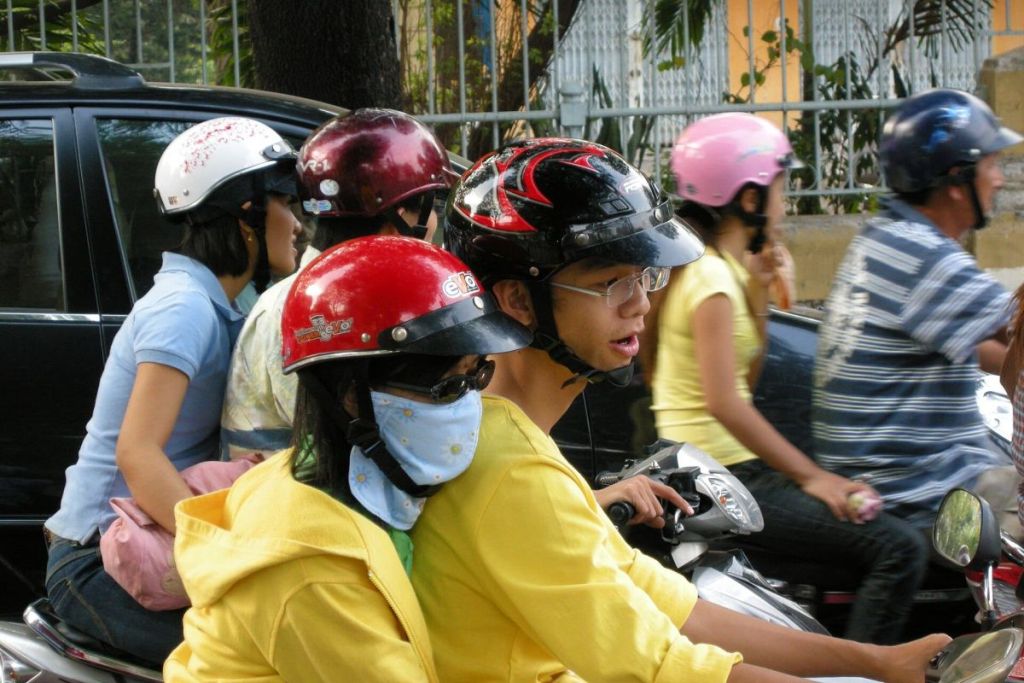
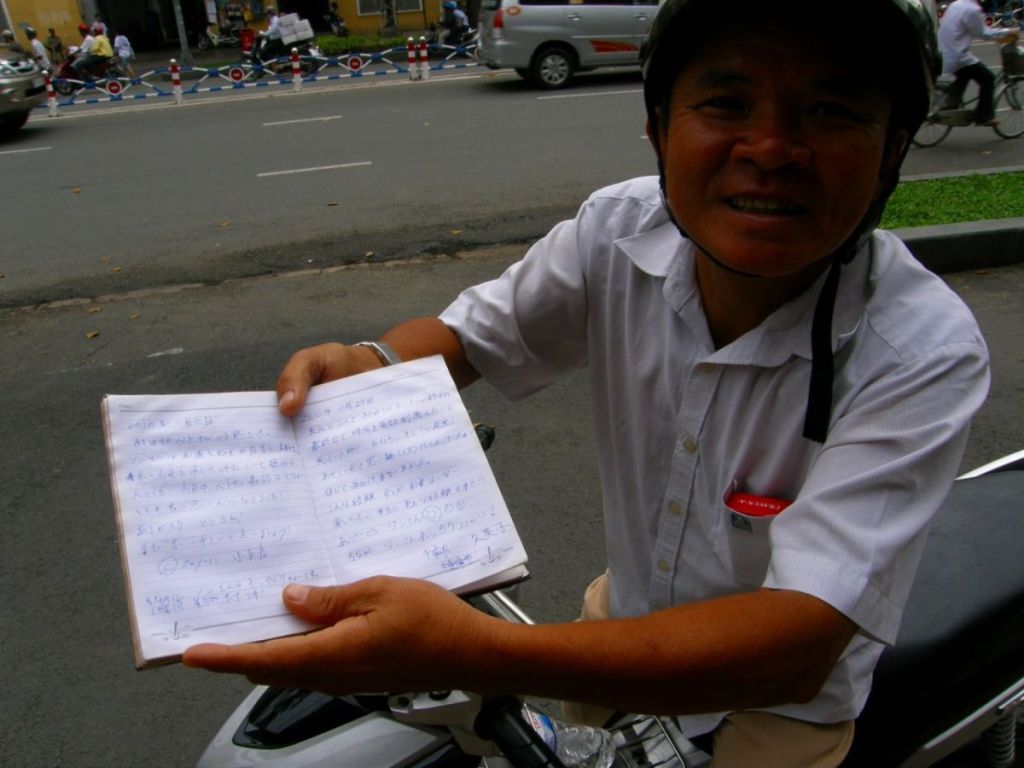
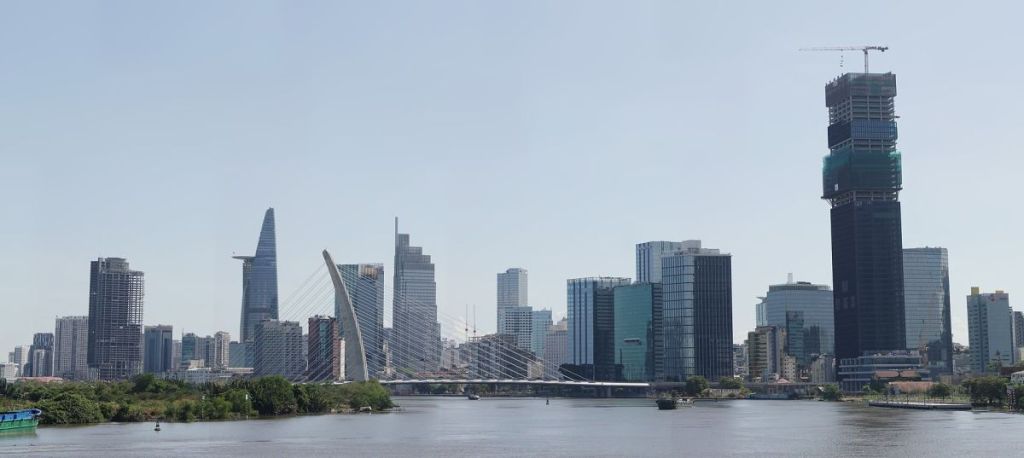
Photos: 1) Vyacheslav Argenberg, CC BY 4.0; 2) 兵庫胡志明倶楽部, CC BY-SA 3.0; 3) Pimnl, CC0; via Wikimedia Commons.
Which ride-hailing app should you use in Vietnam: Grab, Be or Green SM?
Install Grab first, because it has the widest coverage and is the only major ride app confirmed to take foreign Visa and Mastercard. Green SM and Be are useful second choices in the cities, mainly paid in cash. Gojek, which older guidebooks still mention, left Vietnam in 2024.
Grab bundles several services. GrabBike is a motorbike taxi with a helmet provided, and the quickest way through traffic for one person with a small bag. GrabCar is a private car, GrabCar Plus a newer or larger one, GrabSUV seats six, and GrabTaxi calls a metered cab. GrabFood and GrabExpress parcel delivery sit in the same app. Bike and private-car fares appear before you confirm, so there is nothing to bargain over.
Coverage is uneven. As of October 2026, Grab is strong in Hanoi, Ho Chi Minh City, Da Nang and Nha Trang, works mainly in the central areas of Hoi An and Hue, is very limited in Sapa and is absent in Phong Nha.
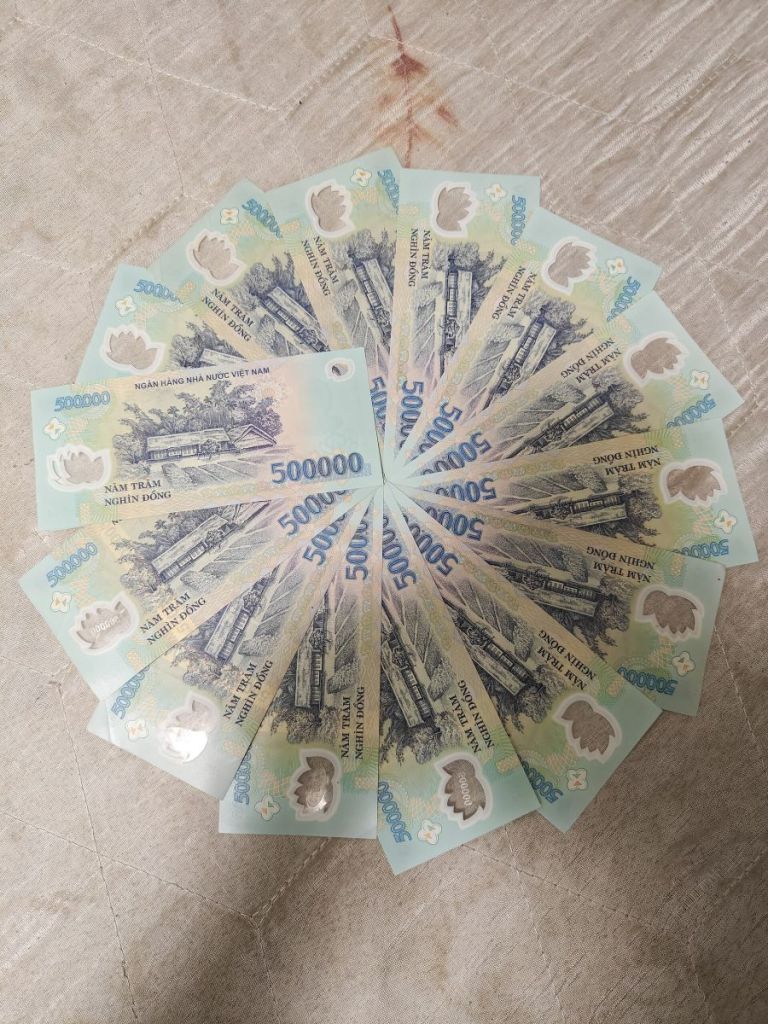
You can pay in cash, ideally with small notes because drivers often cannot break a 500,000 VND bill, or with a foreign card. Foreign-issued cards carry a 4% processing fee plus 10% VAT on that fee, as of August–October 2026. The local wallets MoMo and ZaloPay need a Vietnamese bank account, so most tourists cannot use them.
Green SM is the former Xanh SM. Its operator, GSM, announced the new name on 13 April 2026. The fleet is VinFast electric cars and e-scooters, and one secondary source puts coverage at about 34 provinces and cities. Be operates in more than 20 cities, and one secondary source says its fares are sometimes 10–15% lower than Grab’s. We have not seen confirmation that either app accepts foreign-issued cards, so carry cash.
| App | Vehicles | Coverage | Paying as a visitor |
|---|---|---|---|
| Grab | Motorbike, car, 6-seat SUV, metered taxi | Strong in Hanoi, HCMC, Da Nang, Nha Trang; centre only in Hoi An and Hue; very limited in Sapa; none in Phong Nha | Cash, or foreign Visa/Mastercard with a 4% fee plus VAT on the fee |
| Green SM (formerly Xanh SM) | VinFast electric cars and e-scooters | About 34 provinces and cities (one secondary source) | Cash; foreign cards not confirmed |
| Be | Motorbike and car | 20+ cities | Cash; foreign cards not confirmed |
| Gojek | — | Left Vietnam in 2024 | — |
Local tip: Match the licence plate in the app with the vehicle before you get in. Around airports and bus stations, men in green jackets sometimes offer rides “like Grab” without a booking. If the trip is not in your app, the price is not fixed.
How much does a ride from Tan Son Nhat Airport to the city centre cost?
An app car from Tan Son Nhat Airport (Sân bay Tân Sơn Nhất) to the old District 1 area, about 7–8 km, costs roughly 120,000–250,000 VND as of October 2026. Sources disagree on the typical figure, and surge pricing of 20–50% is common in rain, at rush hour and late at night.
| Option | Approximate cost, as of October 2026 | Notes |
|---|---|---|
| GrabCar or similar | 120,000–250,000 VND | More with surge |
| GrabBike | 40,000–140,000 VND (sources vary widely) | One passenger, small bag |
| Metered taxi | 170,000–280,000 VND | Includes a 10,000–15,000 VND airport gate fee |
| Bus 109 | About 15,000–20,000 VND | Cheapest; allow more time |
Grab has marked pickup zones at Noi Bai (Hanoi), Tan Son Nhat and Da Nang airports. At Tan Son Nhat’s international terminal, T2, the pickup point is in the multi-storey car park beside the terminal, not at the arrivals kerb. Follow the signs, then message the driver with the lane or pillar number. Grab’s chat translates messages automatically, so you can type in English. Treat the figures as a guide and compare two apps before booking.
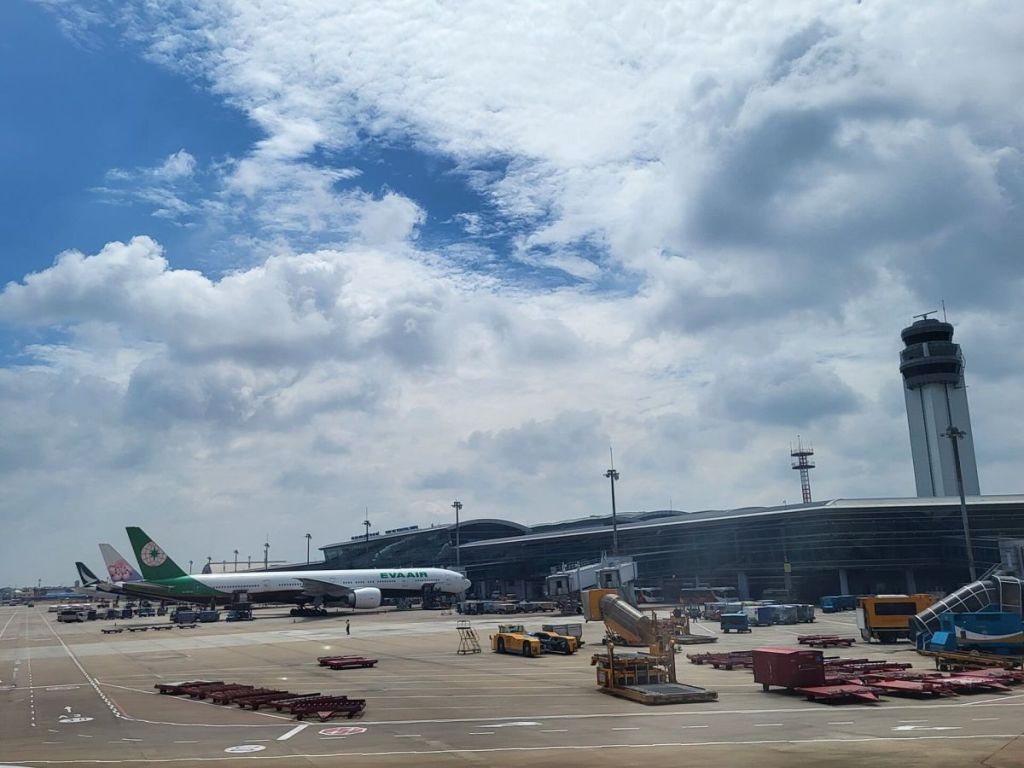
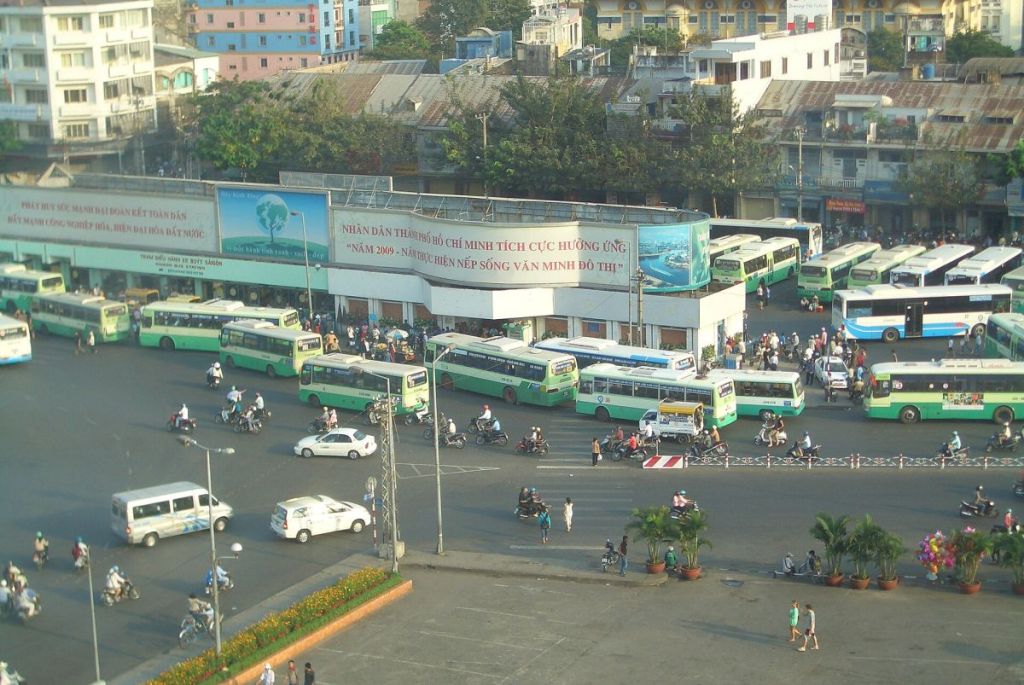
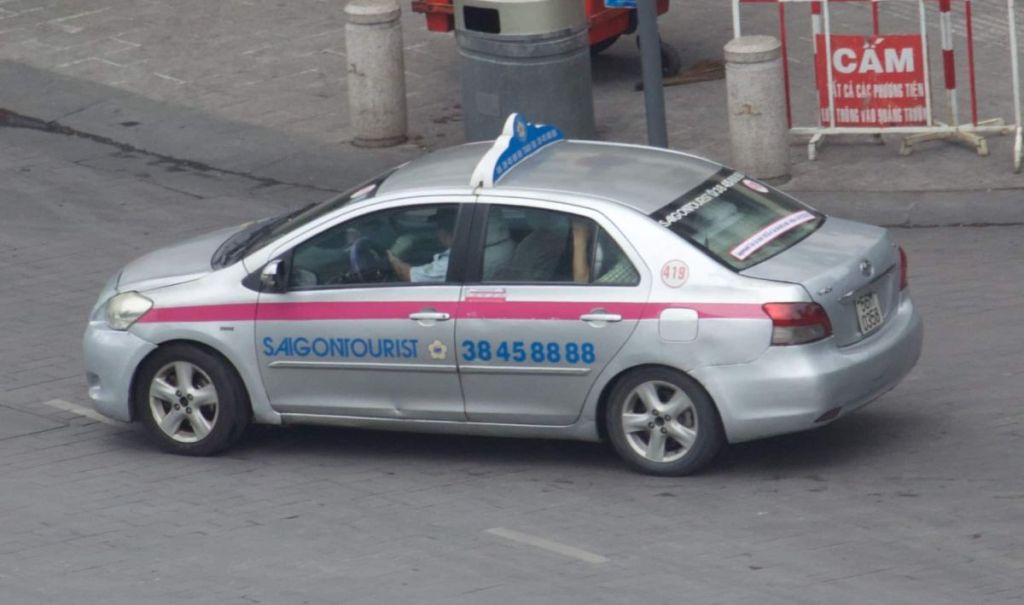
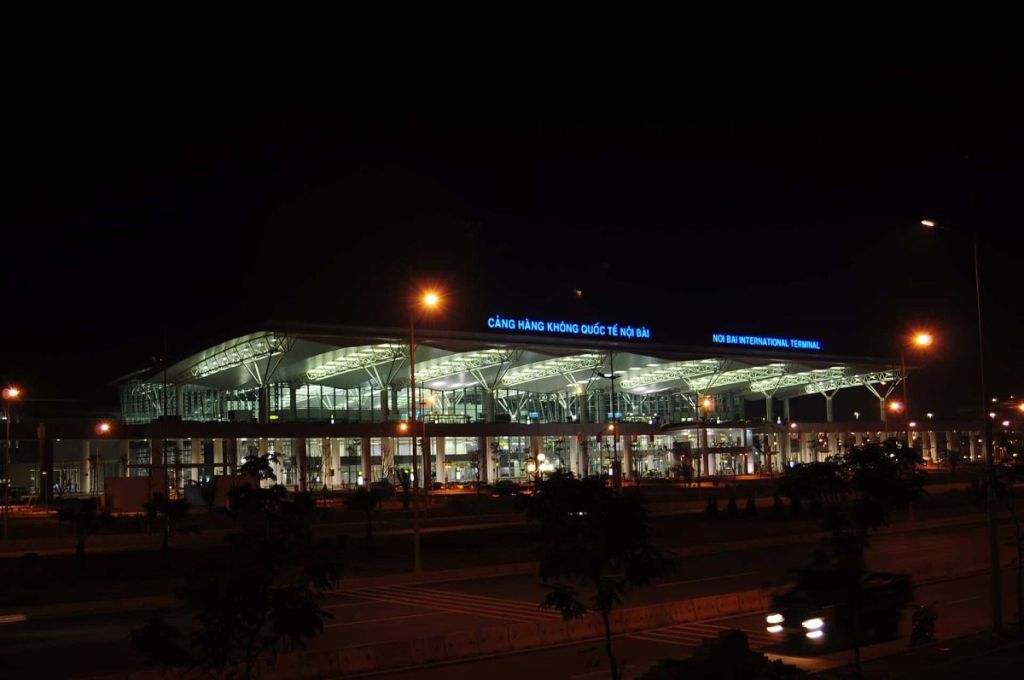
Photos: 1) Hwi.padam, CC BY-SA 4.0; 2) Robert Lafond, CC BY-SA 2.0; 3) EurovisionNim, CC BY-SA 4.0; 4) Christakis Mina, CC BY-SA 4.0; via Wikimedia Commons.
Which food delivery apps work for visitors?
GrabFood is the easiest for visitors, because it shares your Grab account, has an English interface and takes cash on delivery or a foreign card. ShopeeFood, beFood and Green SM Food are backups.
As of the July 2026 rates, GrabFood charges a service fee of 4,000 or 6,000 VND per order, a small-order fee of 2,000–3,000 VND and 5,000–15,000 VND for priority delivery, plus a distance-based delivery charge. Foreign cards attract the same 4% fee plus VAT as on rides. ShopeeFood lists Visa, Mastercard and JCB, but overseas cards are not guaranteed to go through, so switch to cash if one is declined.
Put the building name and room number in the address note, and name the lobby as the meeting point, since riders are often not allowed upstairs. Keep the app open as the rider approaches; first contact is usually a chat message.
Is Google Maps reliable in Vietnam, and how do alley addresses work?
Yes, Google Maps is the standard navigation app in Vietnam and is accurate for main streets, walking routes and business listings. Its weak spot is the alley network, where a pin can land on the main road instead of the door you want.
Download offline areas for each city while on Wi-Fi, so search and directions work without a signal. For a second offline map, Organic Maps and Maps.me use OpenStreetMap data and are often better for footpaths and rural tracks.
Addresses follow a readable logic. A slash means an alley: “123/45 Le Loi” is house 45 inside the alley that opens beside number 123 on Le Loi Street. In the south an alley is a hẻm; in Hanoi and the north it is a ngõ. Street names repeat between wards and cities, so check the ward before confirming a destination in a ride app.
Local tip: When a pin looks wrong, send the driver a photo of the alley entrance or a nearby shop sign through the app’s chat. A picture of a landmark is quicker than a typed description.
Which translation app works best for Vietnamese?
Google Translate is the most practical choice, because one app handles typed text, camera translation of menus and signs, and two-way conversation. Download the offline Vietnamese pack, about 80 MB, before you travel. As of November 2026 it covers text and camera; voice and conversation modes still need data.
The alternatives each do one thing well. Microsoft Translator has a free offline Vietnamese pack of about 100 MB. DeepL now supports Vietnamese and suits longer messages, such as a note explaining a food allergy. Papago supports Vietnamese online but has no offline Vietnamese pack.
Vietnamese is tonal and written with diacritics that change the meaning: bò is beef, bơ is butter or avocado. Showing the screen is therefore more dependable than reading a phrase aloud. Camera translation usually gets a menu’s main ingredient right, though regional dish names can come out as nonsense.
Useful Vietnamese for drivers and food
- Xin chào – Hello
- Cảm ơn – Thank you
- Tôi đang đứng ở đây – I am standing here
- Cho tôi xuống ở đây – Please let me out here
- Bao nhiêu tiền? – How much is it?
- Tôi trả tiền mặt – I will pay cash
- Không cay – Not spicy
- Không đá – No ice
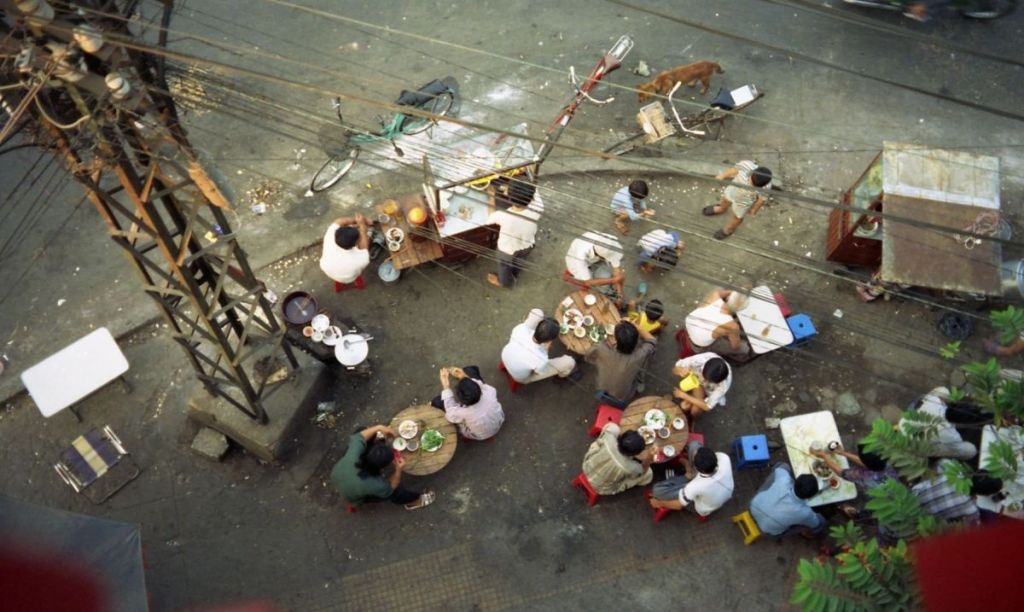
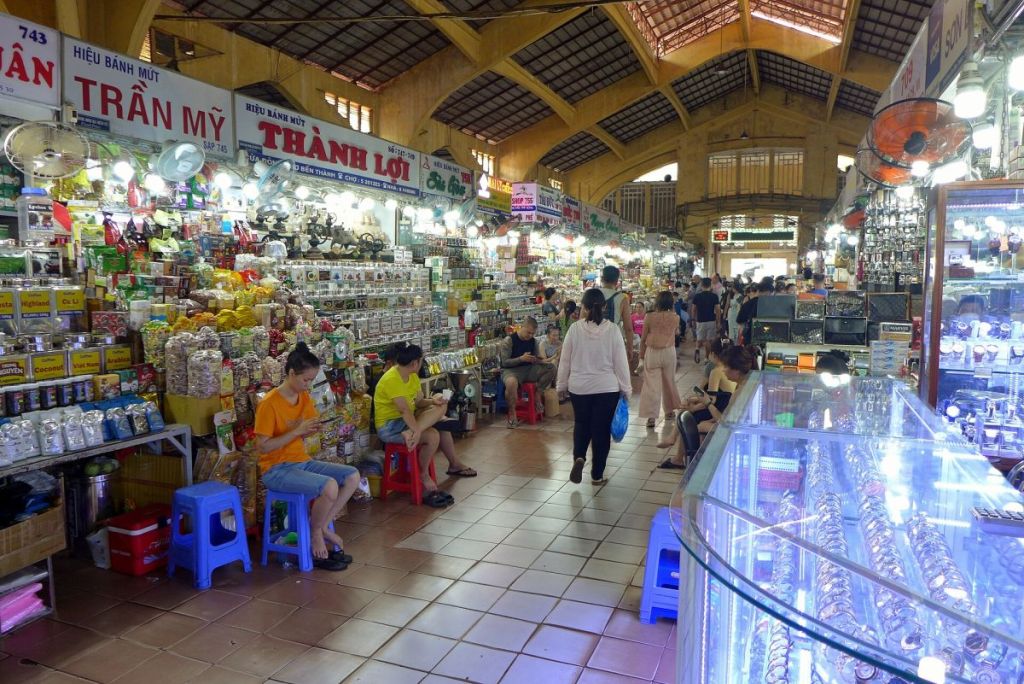
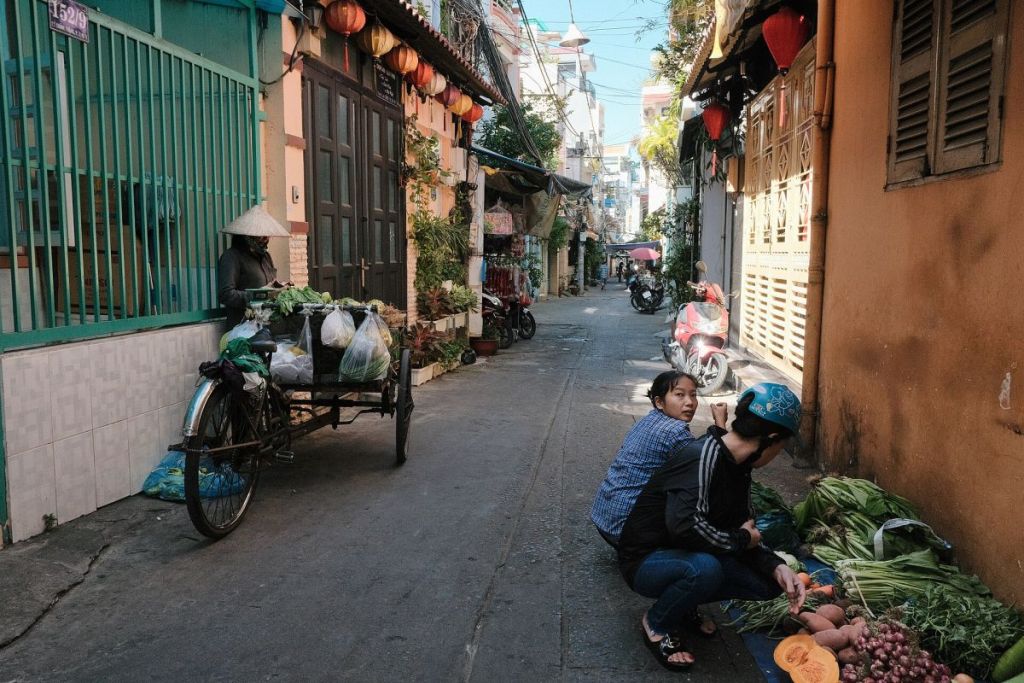

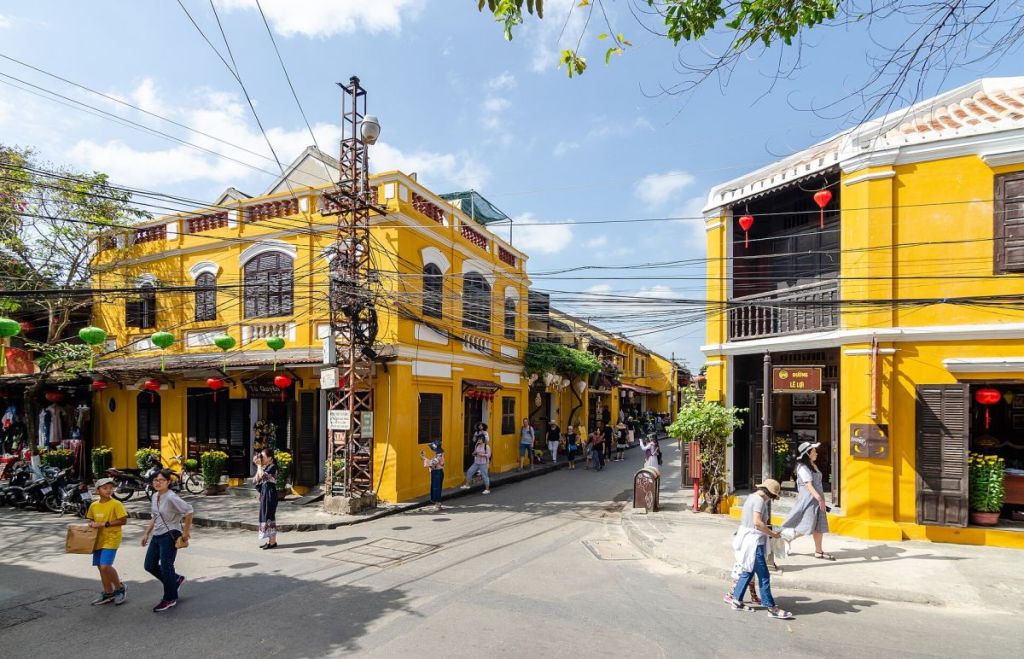
Photos: 1) Alan Turkus, CC BY 2.0; 2) Bahnfrend, CC BY-SA 4.0; 3) Vinnie Cartabiano, CC BY 2.0; 4) Richard Mortel, CC BY 2.0; 5) Steffen Schmitz, CC BY-SA 4.0; via Wikimedia Commons.
Do you need Zalo, or is WhatsApp enough?
WhatsApp is enough for hotels and tour operators that deal with tourists every day, but Zalo is what most Vietnamese people and small businesses use. Install it if you plan to contact drivers, apartment hosts, tailors or local bus companies directly.
Zalo had 80.2 million monthly active users at the end of the first quarter of 2026. It handles text, voice notes, calls, photos and location sharing, and many businesses print a Zalo number on their signs. Registration needs phone-number verification. Foreign numbers are supported, but as of August 2026 the step sometimes fails, so register before the trip. Afterwards the account works on any data connection, including a data-only eSIM.
Facebook Messenger is the third channel; restaurants and homestays often answer there faster than by email.
Planning a few days by the sea near Saigon? Mermaid Seaview Vung Tau has apartments with separate bedrooms, a living area and a kitchen, a short walk from Back Beach (Bãi Sau). Send us your dates and number of guests and we will reply with availability.
How do you pay in Vietnam: cards, phone wallets, QR codes or cash?
Use a card or phone wallet at chains and hotels, and cash for street food, markets and small shops. Local people pay mostly by bank-transfer QR code, and visitors from several Asian countries can now scan those codes with their home apps, but most Western travelers still need card and dong.
Cards and phone wallets. Apple Pay and Google Pay work with foreign cards at contactless terminals: supermarkets, malls, convenience stores, chains and hotels. If a terminal offers a choice of currency, choose VND; paying in your home currency typically adds a 3–7% conversion markup.
QR payments. The national switch NAPAS has linked VietQR with payment networks in China, South Korea, Thailand, Laos, Cambodia and Singapore; UnionPay, Alipay and Weixin Pay were added on 6 August 2026. VNPAY-QR codes accept WeChat Pay, UnionPay and several Thai, Lao, Cambodian and Korean apps as of August 2026. For other visitors, the Wise app can scan Alipay+ QR codes for residents of some countries (as of June 2026), and the VNPAY app reportedly lets tourists register with a foreign number and passport and link a Visa, Mastercard or JCB card. Neither works at every merchant.
City buses. Under a policy reported in July 2026, international visitors in Ho Chi Minh City can validate free bus trips by tapping a Visa or Mastercard, Apple Pay, Google Wallet or Samsung Pay. The MultiGo transit app has an English version. Confirm which routes are covered when you travel.
ATMs and cash. Reports on ATM fees for foreign cards are inconsistent. As a rough guide, many banks charge around 20,000–50,000 VND per withdrawal, some charge a percentage, and limits are often 2–5 million VND per withdrawal. Decline the ATM’s conversion offer and keep small notes for drivers and stalls.
Local tip: The 20,000 and 500,000 VND notes are both blue and easy to confuse at night. Keep large notes in a separate pocket and count the zeros before handing one over.
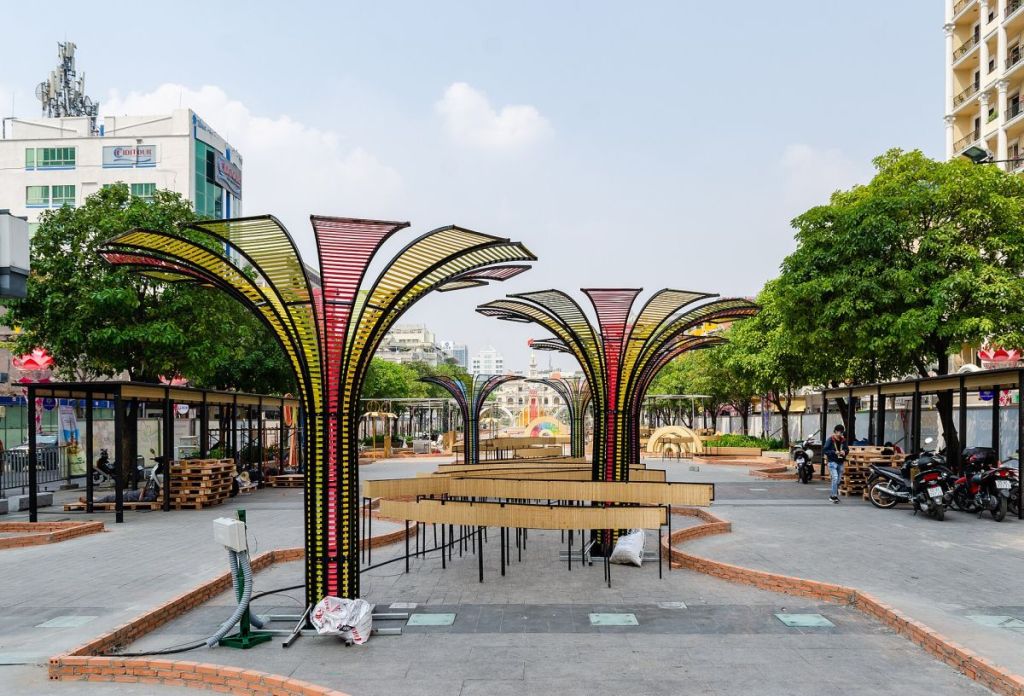

Photos: 1) Steffen Schmitz, CC BY-SA 4.0; 2) HuangWending18072009, CC0; 3) 松岡明芳, CC BY-SA 3.0; via Wikimedia Commons.
Which apps book trains, buses and flights in Vietnam?
Vexere is the most convenient single app for buses and trains, Baolau and 12Go are good for comparing routes in English, and dsvn.vn is the official railway site, often with the lowest train fares.
The railway’s own site usually opens sales about 60 days ahead, but its interface is mostly Vietnamese and foreign cards sometimes fail at checkout. Vexere sells buses, trains and flights and is an authorised rail agent. As of November 2026 the company says it accepts foreign phone numbers and takes Visa, Mastercard and Apple Pay with no surcharge; that is its own claim, so check the total before paying. Be wary of lookalike websites that imitate the railway’s name and charge more.
Baolau covers trains, buses and ferries in eight languages, with fees that vary by route. 12Go is strong on cross-border trips, though its fees can be higher. For flights, use the airline’s own app to manage bookings and check in; Klook and Traveloka also sell flights, transfers and activities.
Read the vehicle type before paying for a bus. A “limousine” in Vietnam is usually a van with a few wide seats on shorter routes, while a sleeper bus has berths for long or overnight trips. Check the pickup address too, since some companies leave from a city office and others from a terminal on the edge of town.
Should you buy an eSIM or a local SIM, and what are the registration rules?
An eSIM is the simpler choice for most short trips, because you install it at home and have data on landing. A physical SIM from a carrier store is cheaper per gigabyte and includes a Vietnamese number.
As of August 2026, 30-day tourist SIMs cost about 200,000 VND for 60 GB with Viettel, 180,000 VND for 45 GB with Vinaphone and 150,000 VND for 40 GB with Mobifone. Airport kiosks charge 250,000–300,000 VND. Travel eSIMs cost about US$6–20 and are mostly data-only. To compare providers and plan sizes, see this guide to choosing a Vietnam eSIM.
Every SIM must be registered to an identity document, which for visitors means a passport. A SIM sold on the street already activated is registered to someone else and can be cut off without notice.
A newer rule adds a second check. Under Circular 08/2026, in effect since 15 April 2026, a subscriber must complete facial biometric verification within two hours when a SIM is moved to a different phone, or the line is suspended. How this applies to new tourist SIMs is not spelled out. The safe course is to buy from an official carrier store, have staff activate the SIM in the phone you will use, and not swap it between devices.
Which apps track weather, air quality and typhoons?
Windy is the most useful app for storms, and IQAir AirVisual is the standard for air quality. Typhoon season runs roughly from June to November, and Windy’s animated map shows whether a system is heading for the stretch of coast you plan to visit. Boats and flights are disrupted when a storm approaches, so keep a spare day in the plan. Air quality is mainly a winter concern in Hanoi, where AirVisual’s hourly readings help you time outdoor walks.
Which apps help on a weekend trip to Vung Tau?
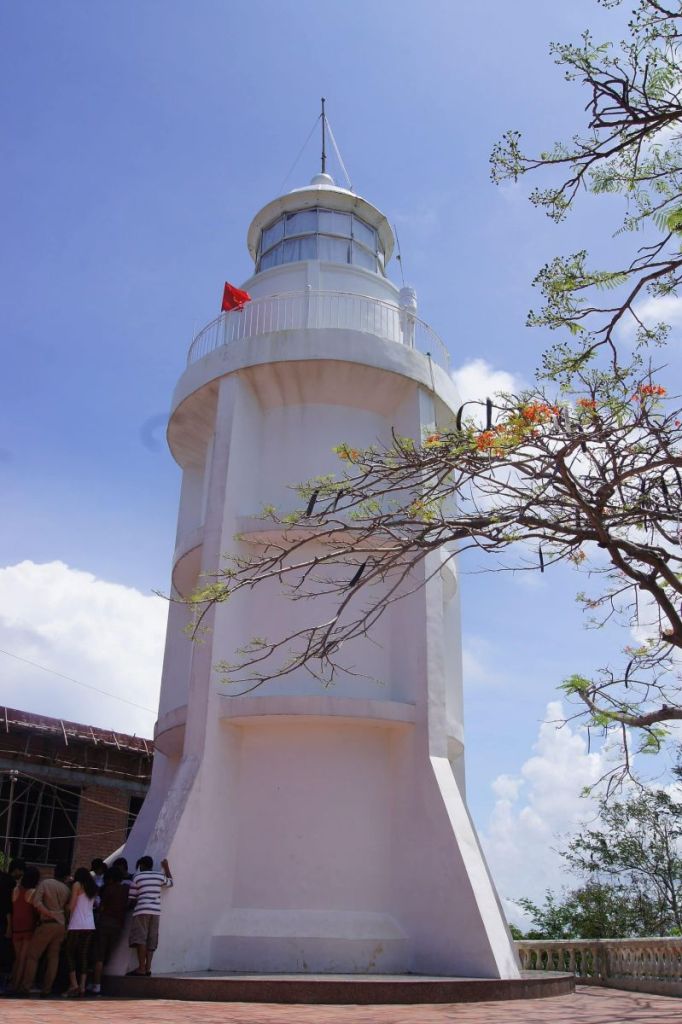
The same core set works in Vung Tau: Grab for getting around, Google Maps for beaches and restaurants, Vexere for the bus or limousine van from Saigon, and Zalo for contacting transport companies and your accommodation. Vung Tau has been part of Ho Chi Minh City since 1 July 2025, though it remains a separate seaside town a road or boat trip from the centre.



Photos: 1) Balou46, CC BY-SA 3.0; 2) calflier001, CC BY-SA 2.0; 3) Hoangvantoanajc, CC BY-SA 3.0; 4) Chris Phan, CC BY-SA 2.0; 5) BrightRaven, CC BY 3.0; via Wikimedia Commons.
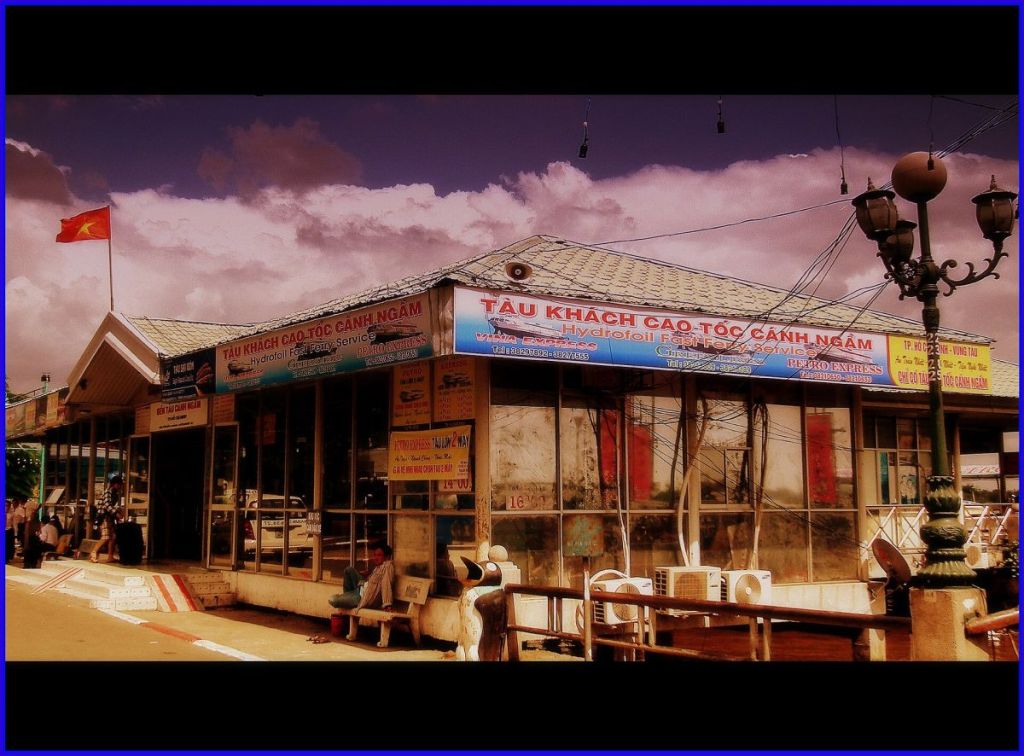
There are three common ways to get there. Buses and limousine vans run through the day; many operators can be booked on Vexere or by Zalo message, and some offer pickup at an address. A fast ferry links central Saigon with Vung Tau, with sailings that depend on the weather, so check the schedule shortly before you go. A private car suits families with luggage. Fares and timetables shift with season and holidays, so rely on the live figures in the booking apps.
In town, Grab cars and bikes are available and distances are short. Mermaid Seaview Vung Tau is on Le Hong Phong Street, a short walk from Back Beach (Bãi Sau), the long beach where most visitors swim. Guests often ask us how to book the return trip: use the same app or van company, a day ahead, and earlier for Sundays and public holidays.
Which safety apps and emergency numbers should you save?
Vietnam’s emergency numbers are 113 for police, 114 for fire and 115 for an ambulance. Operators may not speak English, so ask hotel staff or someone nearby to call and give the address in Vietnamese.
Your existing apps do most of the safety work: Grab records the driver and route of every trip, and Google Maps can share your location with a companion. Save your insurer’s assistance number before you leave. Phone snatching from passing motorbikes does happen in the big cities, so step back from the kerb before checking a map.
Photos: 1) Diego Delso, CC BY-SA 3.0; 2) Vyacheslav Argenberg, CC BY 4.0; 3) Steffen Schmitz, CC BY-SA 4.0; via Wikimedia Commons.
Staying near Back Beach in Vung Tau? Message the Mermaid Seaview team with your travel dates and number of guests, and we will check apartment availability a short walk from Back Beach (Bãi Sau).
Frequently Asked Questions
What are the best apps for traveling in Vietnam?
The core set is Grab, Google Maps, Google Translate, Zalo, a travel eSIM app and Vexere, plus your own bank or card app. Together they cover rides, food delivery, navigation, language, messaging, mobile data and intercity tickets. Add Windy and IQAir AirVisual for the north or the central coast in storm season.
Does Grab accept foreign credit cards in Vietnam?
Yes, Grab accepts foreign-issued Visa and Mastercard for rides and food orders. As of August–October 2026, those cards carry a 4% processing fee plus 10% VAT on that fee. Cash in dong avoids the fee, so carry small notes. MoMo and ZaloPay need a Vietnamese bank account.
Is Gojek still available in Vietnam?
No, Gojek left Vietnam in 2024. The ride apps in use today are Grab, Green SM (the former Xanh SM, renamed in April 2026) and Be. Grab has the widest coverage and the clearest support for foreign cards, so install it first and keep one of the others as a price check.
Does Google Translate work offline for Vietnamese?
Partly. The offline Vietnamese pack, about 80 MB, covers typed text and camera translation of menus and signs as of November 2026. Voice and two-way conversation modes still need a data connection. Microsoft Translator’s free offline pack, about 100 MB, is a reasonable second option.
Do tourists need Zalo in Vietnam?
Not strictly, but it helps. Tourist-facing hotels and tour operators usually answer on WhatsApp, while drivers, van companies, apartment hosts and small shops prefer Zalo. Register before your trip, because phone verification for foreign numbers sometimes fails, and a data-only eSIM cannot receive the SMS code.
Can I use Apple Pay or Google Pay in Vietnam?
Yes, at contactless card terminals. Foreign cards in Apple Pay and Google Pay work at many chain stores, malls, convenience stores and hotels. Street food stalls, markets and small family shops take cash or local QR transfers instead. Choose VND at the terminal to avoid a conversion markup of around 3–7%.
Can foreigners pay with QR codes in Vietnam?
Some can. Visitors from China, South Korea, Thailand, Laos, Cambodia and Singapore can scan Vietnamese QR codes with supported home apps; Alipay, Weixin Pay and UnionPay were added in August 2026. For other travelers, Wise or the VNPAY app work only at some merchants, so keep a card and cash available.
Do I still need cash in Vietnam?
Yes, you will need dong for street food, markets, small shops and many drivers. Cards and phone wallets cover hotels, chains and malls. ATM fees for foreign cards vary by bank, often around 20,000–50,000 VND per withdrawal with limits of roughly 2–5 million VND, so withdraw larger amounts less often.
What is the best app for booking trains in Vietnam?
Vexere is the easiest for most visitors, because it is an authorised rail agent and says it accepts foreign cards without a surcharge as of November 2026. The official site, dsvn.vn, is often cheapest but mostly in Vietnamese, and foreign cards sometimes fail. Baolau and 12Go are alternatives. Avoid lookalike railway websites.
Is an eSIM better than a physical SIM for Vietnam?
For short trips, usually yes. A travel eSIM costs about US$6–20, installs at home and works on arrival, though most are data-only. A physical tourist SIM from a carrier store costs about 150,000–200,000 VND for 30 days as of August 2026, includes a local number and requires passport registration.
Does Grab work in Vung Tau?
Yes, Grab operates in Vung Tau, with cars and motorbikes for short trips between Back Beach, Front Beach and the town’s restaurants. Expect longer waits late at night and on holiday weekends, and book a little earlier than you would in central Saigon. Carry small notes in case you pay cash.
What number do I call in an emergency in Vietnam?
Call 113 for police, 114 for fire and 115 for an ambulance. Operators may not speak English, so ask hotel reception or someone nearby to call and give the address in Vietnamese. Save your travel insurer’s assistance line and your accommodation’s number in your phone before you arrive.
Sources
- Green SM: Xanh SM rebrands as Green SM (official announcement, April 2026)
- Tuoi Tre News: Cross-border QR payment network expands for foreign tourists (August 2026)
- Tuoi Tre News: International tourists can validate free bus trips in Ho Chi Minh City with bank cards (July 2026)
- VietNamNet: Foreign tourists face booking hurdles on Vietnam’s trains, Vexere finds
- Viet Nam News: Unverified mobile users face SIM suspension from April 15
- Wise: VietQR for foreigners guide (June 2026)
Featured photo: Tony Lam Hoang tonylamhoang, CC0, via Wikimedia Commons.

Bài viết liên quan

Arriving in Vietnam: Immigration, Customs and What to Declare
What arriving in Vietnam customs and immigration involves in 2026: e-visa and 45-day exemptions, the...

Saigon Then the Beach: A First-Timer’s 5-Day Itinerary
A 5-day Saigon and beach itinerary for first-timers: three nights in Ho Chi Minh City,...

Thiết kế TT Genesis: Hệ thống thang máy có đủ cho cư dân không?
Trong thiết kế TT Genesis, hệ thống thang máy là một trong những hạng mục...

Hồ bơi muối khoáng TT Genesis rộng bao nhiêu?
Hồ bơi công nghệ muối khoáng TT Genesis có tổng diện tích mặt nước 728...

Bcons Central Park: Chủ đầu tư, vị trí, giá bán mới nhất
Bcons Central Park là dự án căn hộ cao tầng do Tập đoàn Bcons phát...

Quyết Định 7461/QĐ-UBND – Quy Hoạch 1/500 KDC Mai Bá Hương
Quyết định 7461/QĐ-UBND ngày 20/12/2019 là văn bản phê duyệt quy hoạch chi tiết xây...

Dragon Eden Có Bao Nhiêu Sản Phẩm? Cơ Cấu sản phẩm
Dragon Eden có tổng cộng 5.467 lô đất ở và 4 block nhà ở xã...

TT Capital Đóng Vai Trò Gì Tại Dự Án TT Genesis?
TT Capital đóng vai trò đơn vị dẫn dắt liên doanh đầu tư và phát...


